Tuesday, November 28, 2006

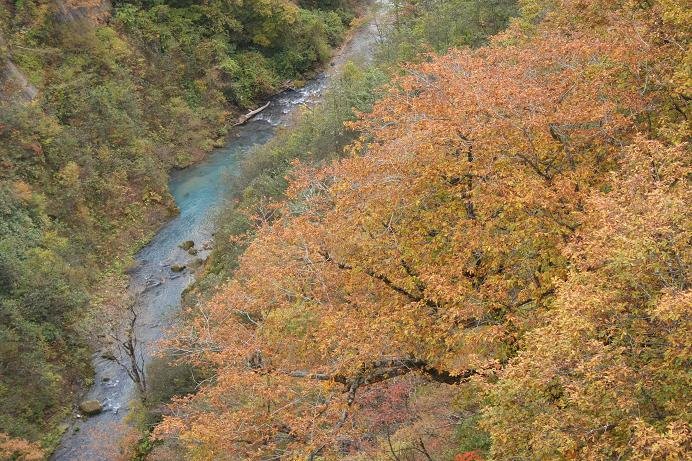
Autumn Colors in Korankei

Korankei is located in Aichi prefecture, famous for autumn colors.
It is said that during Edo period a resident priest of the Kojakuji temple for the first time planted a maple tree around the temple and continued to plant a tree every time he read a volume of sutra. After that people added maple trees. Now 4,000 maple trees produce beautiful autumn sceneries.


[Tips]
Three Major Autumn Color Sites in Japan:

  • Nikko, Tochigi pref.
  • Arashiyama, Kyoto pref.
  • Yabakei, Oita pref.

Sunday, November 26, 2006

Holiday in Autumn

Many families go viewing autumn color on holidays in this season. The following pictures were taken in Showa Kinen Park yesterday. The Park was built after the U.S. military base in Tachikawa.


Friday, November 24, 2006

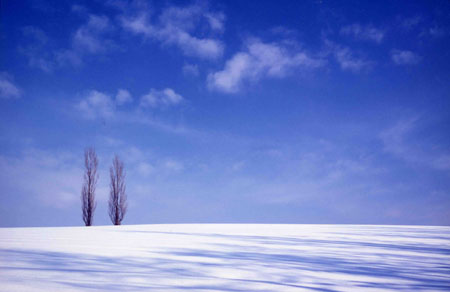
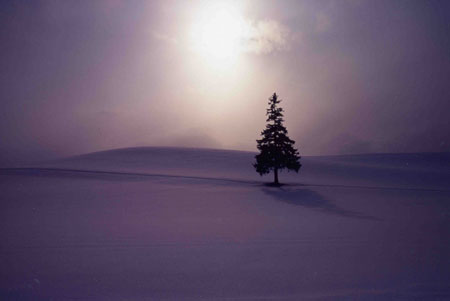
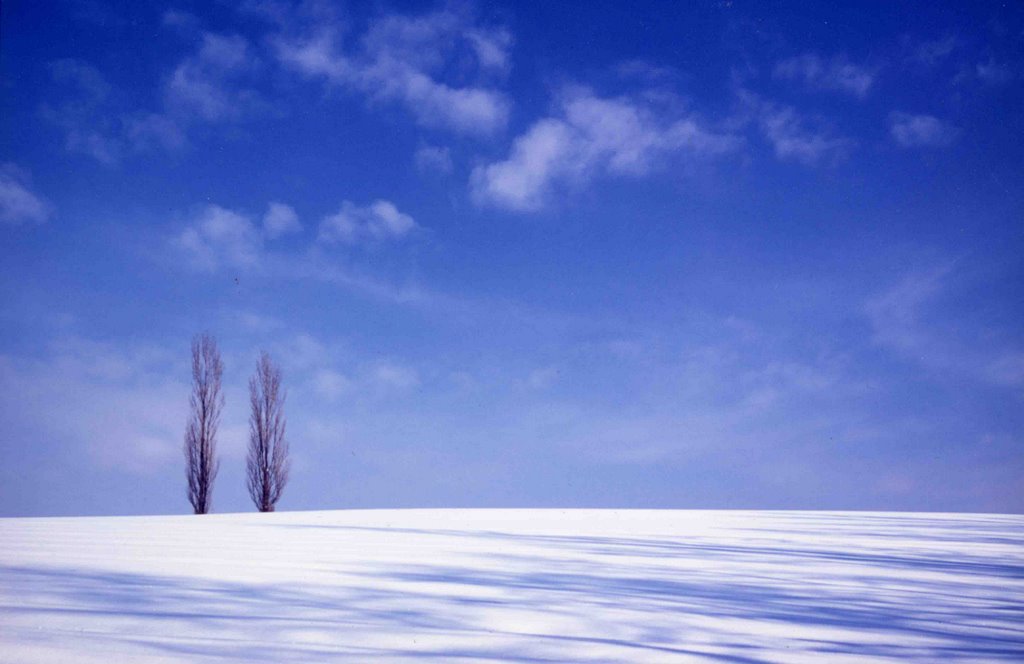
It Is Already Snowy in Hokkaido.

As Japanese archipelago extends north and south, it is already snowy in Hokkaido, when the foliage season has just started in Yokohama.

There are various winter sports, but it is fantastic just to view the snowy sceneries. All are on Biei Hills.


Thursday, November 23, 2006

Labor Thanksgiving Day

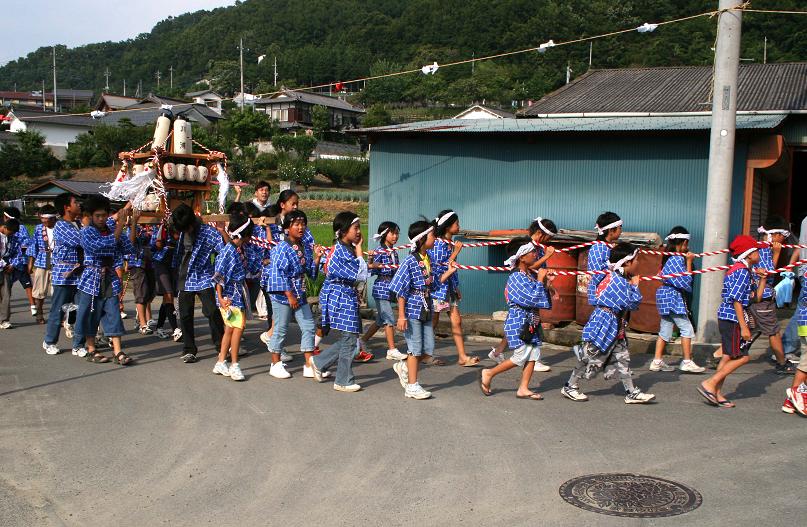
November 23rd is Labor Thanksgiving Day in Japan. Traditionally November 23rd was called “Niinamesai” (a kind of harvest festival), when the Royal family perform a ceremony to thank for affluent harvest by offering the harvest of the year. This tradition is still preserved. The Emperor of Japan plants rice at the paddy field in the imperial residence in May as “Otaue” and prays for the productiveness of grains. Since Yamato dynasty, the emperors’ policy has greatly affected the expansion of rice growing in Japan and the fact that the Japanese became to live on rice. We should thank that they could find that rice matched with various climates in Japan.

After World War II, such a day was established as Labor Thanksgiving Day to encourage people to value labor, celebrate production, and give thanks to each other. In the old days, children were taught to eat boiled rice, thanking to farmers. Nowadays, the number of workers engaged in the primary industry was reduced to occupy about 5%. It might be amazing that such a small part supports the staple food in Japan, though. Now, children are taught to thank to working fathers and mothers; no special events are performed at home. In many rural areas, they preserve the traditions to celebrate the autumn festivals to thank for the productiveness. Those correspond to the western thanksgiving.

Recently Halloween party has become popular in Japan; it seems the same as Christmas. They are very good at adopting Western customs.


(Children Carrying a Portable Shrine at Rural Festival)


(Harvesting Rice)

Wednesday, November 22, 2006

Happy Couple Day

Today is Ii-fufu-no-hi (Happy Couple Day). It is said that this was proposed and introduced in 1988, but not so popular. The naming is derived from the sound of Novemver (11) 22; 1 is pronounced ichi in Japanese and 2 is pronounced futatsu or fu. A happy couple is the base of happy family. This is a campaign for married couples to promote more relaxed life and good communication.

Recent years divorces are increasing in Japan, from 96,000 in 1970 to 270,000 in 2004. “Vintage year divorce” (Jukunen Rikon in Japanese) is one of the buzzwords. Japanese society is aging and experiencing a declining birthrate; husband-wife hours will be increased. Today’s paper says, according to one questionnaire, twice as many wives as husbands are not pleased to have more time with their partner after retirement. Anyway women enjoy green old age.


(Happy Couple in Biei, Hokkaido)

Tuesday, November 21, 2006

Kamakura, the Ancient Capital Built by Samurais

Today I visited Kamakura to see how the leaves are changing the color, especially at Shishimai Trough, my best spot for autumn viewing in Kamakura. It’s early. This year it has been warm and sometimes it was raining heavily and the wind was blowing hard. Many gingko leaves at Shishimai Trough have fallen down before turning yellow. Maple leaves are still green; I am looking forward viewing the maple leaves turning red.

I strongly recommend the foreign tourists visit Kamakura. The reasons are:
1) Near from Metropolitan Area (One-hour train)
2) Atmosphere of Ancient Capital (There are many temples, shrines, and historical sites.)
3) Variety of Places; Hills, Island, and Sea (There are several hiking courses with beautiful sceneries.)

Do you know who is the first Samurai Governor of Japan? Answer is:
>>>> Yoritomo Minamoto

I will briefly explain why samurais come out.
In 10th century it became clear that the ancient governance by the Emperor was imploding. Local ruling families were developing and increasing their land. They armed for protecting their land. There were disputes between them and the local government. Some of the noble families who were appointed as a local officer continued to live at their post after their term expired. They were gradually growing to make a samurai group. Understand?


(Today's Gingko at Hachimangu Shrine)

(Gingko at Shishimai Trough)

(Maple Tree at Shishimai Trough)


(Face)
Monday, November 20, 2006

Miyajima (or Itsukushima)

Miyajima is one of Japan’s three most beautiful spots. Itsukushima Shrine and the surrounding sea and primeval forest were designated as a World Cultural Heritage in 1996.

About ten-minute boat from Miyajimaguchi takes us to the island. A red-painted shrine gate standing in the sea surprises us and makes us feel like coming to another world.
Within Itsukushima Shrine, we have to take one-way route, but we can tour at a leisurely pace. Also you can realize that the shrine is built in the sea. When I visited there, I got up early in the next morning and went to the shrine gate. I could reach the gate on foot. Do not forget to check the time of greater ebb.

There are a lot of deer in Miyajima. People take good care of deer, because deer has been considered a divine messenger. How friendly! You will be surprised to see them here and there. On the top of Misen there are a lot of monkeys. They are not friendly; be careful.
If you visit in autumn, you can further enjoy autumn colors. I recommend a walk around Momijidani Park.

If you are going to stay in Miyajima, you should know that there are no convenience stores there. Most stores are closed around 6 p.m. I had reserved only accommodation. As the owner introduced me a couple of restaurants, I was able to have a dinner. My breakfast was momiji-manju. I bought it at a souvenir shop that was open early in the morning for tourists. Momiji-manju is maple-shaped bun with bean-jam filling and specialty of Miyajima. Another specialty is oyster. You can see the oyster bed from the boat. Try to eat various oyster dishes. I can never forget kaki-no-dotenabe (oyster-in-pan dish dressed with miso sauce) and Suishin (Hiroshima’s sake) that I had at Hiroshima Station.


(Red-painted Shrine Gate)

(Shrine Gate at Greater Ebb)


(Dear Deer Couple)


(Oyster Bed)

Wednesday, November 15, 2006

7-5-3

In Japan November the 15th is the day of Seven-five-three (Shichi-go-san in Japanese) Festival. It is a traditional event to celebrate children’s growth and pray for their future health and well-being. Seven-year-old girls, five-year-old boys, and three-year-old boys and girls are dressed up and taken to a shrine. Some of them wear traditional kimono. Parents buy children some long candies called Chitose-ame. Nowadays they celebrate on a holiday near November the 15th. They celebrate in family, if possible, including grandparents.


Saturday, November 04, 2006

Tokyojidaimatsuri, Asakusa

On November 3, Tokyo-jidai-matsuri is held at Asakusa. This festival is a costume parade showing good old days in Edo (=Tokyo). A lot of people from kindergarteners to the elderly people over 90 years old participate in the parade. Most of them seem to participate every year. The parade starts at the back yard of Sensoji Temple and make its way along the main street. It takes three hours.

I paid 1000 yen to enter the event site at the back yard. I could take pictures of many participants in various costumes.


(Music performed by traditional instruments)

(Troops of Shogun Tokugawa Ieyasu)

(Geishas)

(Newsboy and Street Seller of Masks)

Tuesday, October 31, 2006

What Is the Most Popular Rice in Japan?

The Japanese live on rice. There are a lot of varieties of rice. The most popular variety is Koshihikari, because it is very delicious. Koshihikari was developed by marrying Norin-Ichigo (=No.1), which had a tasty characteristic, and Norin-Nijunigo (=No.22), which had a good quality characteristic. It was married in Niigata in 1944, cultivated in Fukui, registered as Norin-Hyakugo (=No.100), and then adopted as recommended variety in Niigata in 1956. It has had a stormy life. The planted area of Koshihikari is the largest in Japan, occupying about 40 % (in 2004).

My relative liked Koshihikari and had sent for well-known brand Uonuma Koshihikari; at my home, we eat Hitomebore, which is a child of Koshihikari and cheaper. According to the yesterday’s paper, Niigata is considering the reduction of the production of Koshihikari because of the decrease of the need. It is said that Koshihikari is not easy to cultivate. I would like the foreign people to eat delicious Japanese rice. Anyway try to eat Koshihikari.

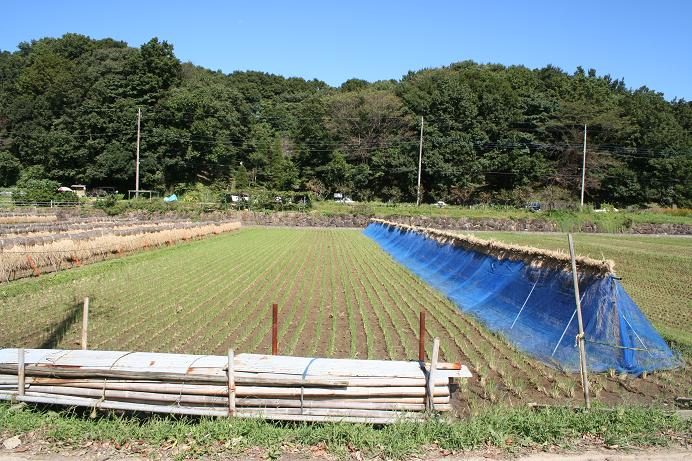
Yesterday I saw kakashi, which is set to prevent birds from picking rice.


Saturday, October 28, 2006

On A Sunny Day in Yokohama

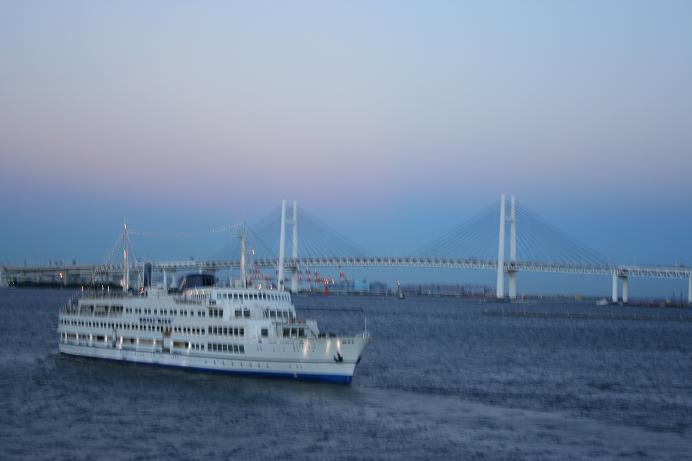
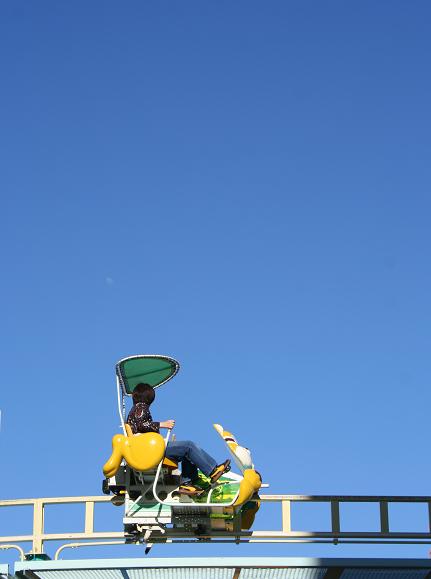
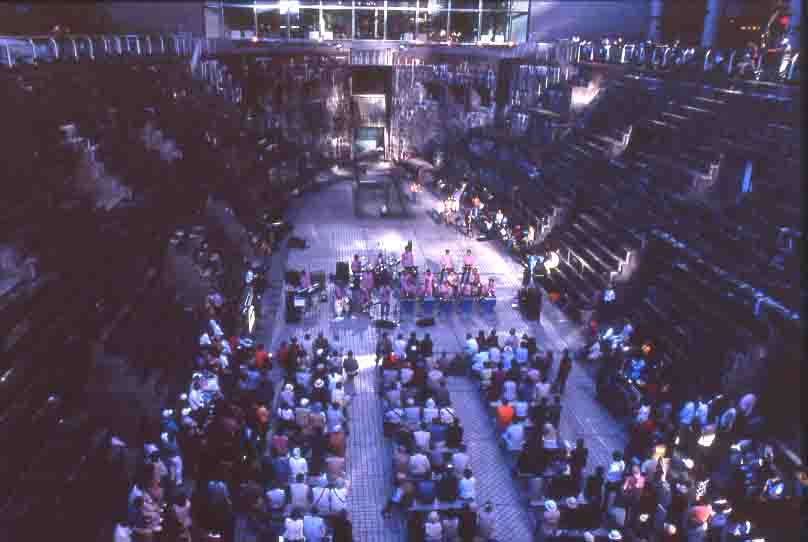
It was a sunny day in October. I was wandering around Minato Mirai 21. I thought Yokohama was really an attractive town!

(Bay Bridge from Osanbashi)

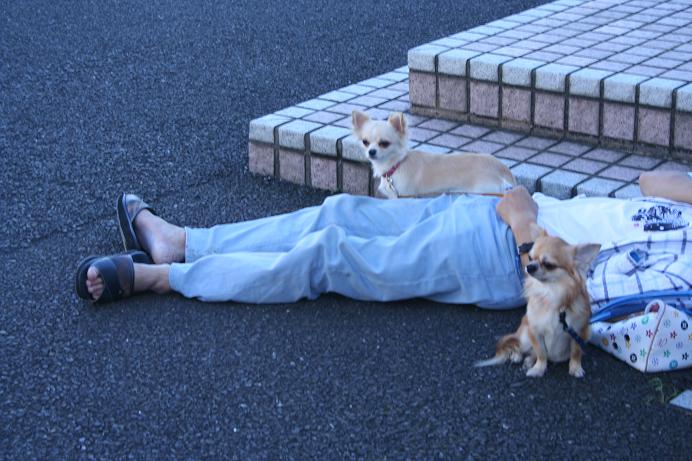
(Napping with Cute Puppies)

(Walking in the Sky)


(Jazz Festival at Dockyard Garden)

Friday, October 27, 2006

Hokkaido Was Cold!

Last weekend I was in Hokkaido because I had something to do. Hokkaido was cold as might be expected. At Orofure-toge (pass) of 930 meters high, the temperature was 2 degrees; we saw a little snow dancing in the wind.

I have enjoyed a hot spring at Noboribetsu. The place name “Noboribebetsu” derives from the language of the Ainu people who are indigenous to Hokkaido. It means a dark (nupuru) river(=pet); the river is clouding because the hot spring water is coming into it. There are eleven kinds of spring quality; Noboribetsu ranks in the top three of hot spring spots in Japan. I also enjoyed outdoor hot spring baths. When I got out of the bath tub, my body and towel became cold immediately. I was happy to find quite nice wash places. They were separated one by one and have a plastic stool higher than usual. It seems to me this improvement was made especially for foreign tourists. I was very much satisfied to feel my smooth skin.


(Noboribetsu River from Noboribetsu Shin-Ohashi(=new big bridge))

(Upper Side from Noboribetsu Shin-Ohashi)

(Jigokudani (=Hell Valley)

Thursday, October 26, 2006

Tanigawadake

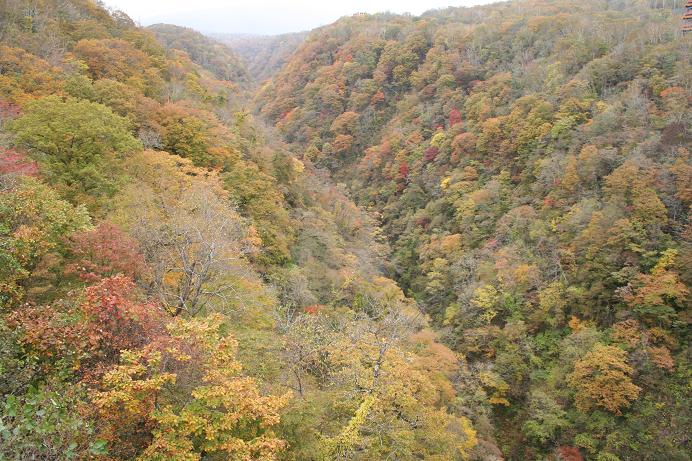
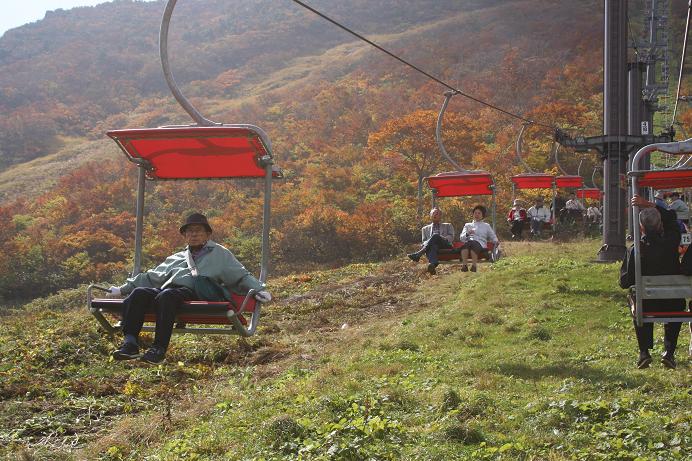
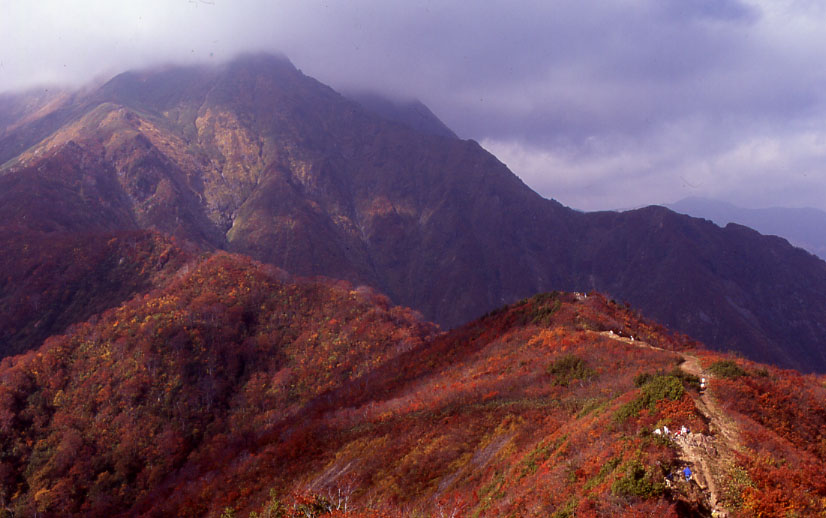
At the middle of October, I went to Tanigawadake Tenjindaira in Gunma prefecture to view the autumn colors. Mt. Tanigawadake is famous for rock climbing. Unfortunately the autumn colors were not so beautiful. I had to wait 45 minutes for getting on a ropeway. It was no use visiting on weekdays. Everybody thinks alike, doesn’t it? (Though I found it on my way back, this ropeway station had been constructed to respond to a long queue. Long, long winding corridors lead us to an entrance to a platform.) From Tenjindaira, the destination of a ropeway, I headed for Tenjintoge (=pass) by ski lift. Here was a 360゚ panoramic view. You have to come to this point, when you visit Tanigawadake. You can take time to enjoy a nice view also at the rooftop observation deck of the lift station. On the day, it was a beautiful day and there were a lot of people to climb Mt. Tanigawadake. There were some clouds at the top of the mountain; its peak would not show up till the last moment. Unlucky!

Actually this was the third time to visit Tenjindaira. More than ten years ago I ventured to climb Mt. Tanigawadage with my friends. We stayed at a minshuku (=private home providing room and board) and enjoyed a hot spring managed by a town. The next day we started climbing. We were so tired after walking tiresomely long paths along the river and the route of the climb was muddy because of the previous day’s rain. Courageous retreat was unanimously decided before the summit. We arrived at Tenjindaira in a little distress and got on a ropeway. How beautiful the autumn colors of leaves were! How wonderful yellow leaves and red leaves, though not many, looked best in bright sunshine. We did not feel in the least that the ropeway fare of 950 yen was expensive.

That impression was so intense that I visited again five years ago to take pictures. This time the weather turned bad, there were some rain and wind. When I was taking pictures at Tenjindaira, I dropped my contact lens. There was a drain ditch when I looked down. I searched the lens with my poor eyesight, but I could not find it. So, the third time was a sort of revenge. It might be a little early for the best season. My challenge has not been completed…..

Home-made cold tofu and a one-pot dish cooked at the table served at the minshuku were very delicious. This one-pot dish was very simple; pork back ribs, thin green onion, and Flammulina veluptipes were boiled in a soy sauce soup. This cuisine was added to my recipe later.


(Mt. Tanigawadake)
(View from Tenjintoge)

(On the Lift)

Wednesday, October 25, 2006

A Young Man at Rice Field and Abduction Victims

The other day I went to the rice field to see how it was. Cropping has been done and now drying was going on.

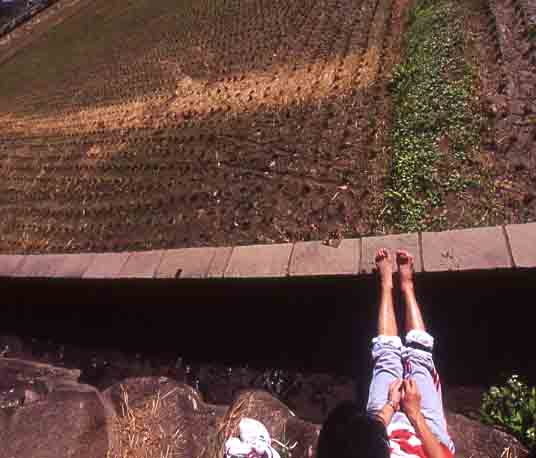
Then I happened to see a young man resting at the irrigation ditch. He looked contented very much; I asked to take a picture. He said he liked rice fields and this place was his favorite jogging course.

We had some chat. After this he was going to attend a meeting to support Mr. and Mrs. Yokota. He liked photography and he wanted to present the picture of beautiful blue sky he had taken before. But he wondered whether he should present it. So, I advised to do it if he hesitated. I wonder how he did.....

Mr. and Mrs. Yokota are the parents of Megumi Yokota, an abduction victim of North Korea. They have been fighting as a leader for having abduction victims back. The abductions by North Korea are unforgivable state crimes. I hope all the victims will be taken back to Japan without further delay.

Photo Exhibition by Shigeru Yokota, which was held at many places throughout Japan to appeal to people, is now accessible on the Internet. We will be able to feel to some extent a 30-year suffering of the family separated by abduction. URL is:

http://asagaonokai.jp/eg/vre/index.html


(After jogging)

(Drying Rice)

(Taking a Rest at Neighboring Field)

Saturday, October 14, 2006

Cosmos (2)

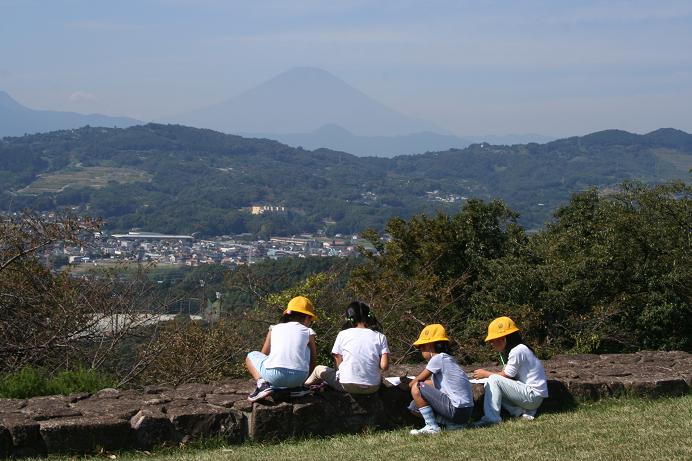
A couple of days ago I went out to see a cosmos field again. I had watched a photo of cosmos and Mt. Fuji on the Internet. We can have a 360 degree view on the top of Azumayama, which is a small mountain of hundred meters or so, but there were no cosmos field. It might have been too late. Many children enjoyed nice views, paintings, and children’s play facilities.

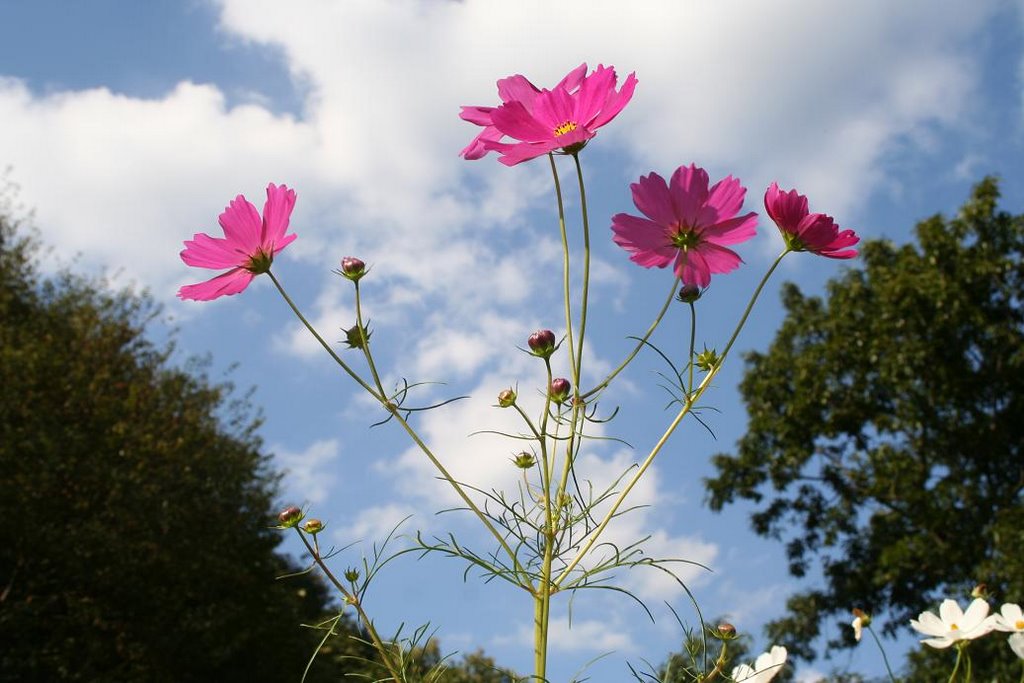
I like cosmos very much. In my childhood, there was a cosmos field in our garden. The Chinese characters for cosmos are “autumn cherry blossom.”


(Mt. Fuji viewed from Azumayama)

(Children Painting Mt. Fuji)

This is a last year’s cosmos.

Tuesday, October 10, 2006

Cosmos

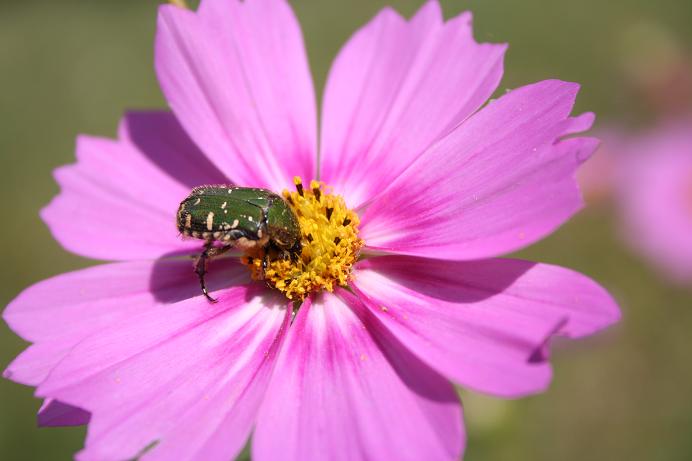
There is a flower garden filled with cosmos in the southern part of Kanagawa prefecture. It is a Kurihama Hana-no-kuni (=flower country). I was looking forward to seeing beautiful flowers, but a lot of stems were damaged by the recent gale and heavy rain. What interested me was something different. Those are:


On October 22, a picking event will be held. You can pick the flowers of cosmos. Don’t forget scissors and a large bag.

Saturday, October 07, 2006

Moon Viewing

Yesterday’s moon would have become the harvest moon of this year unless it had been raining. It was sunny today. We enjoyed viewing a full moon, a perfectly round shape. We also had dumpling.

For further story of moon viewing, please access to my website "RealJapan":
http://www.realjapan/life/event/septemberevent.html

(Harvest Moon)


(Dumpling)