Showing posts with label Countryside. Show all posts

Monday, September 25, 2006

Lycoris Again!

Lycoris is called “higanbana” in Japanese, because it blooms around fall higan. Higan is Buddhist ceremony cerebrated during fall equinoctial week. They say in the old days lycoris was used as food in the case of famine, since the bulb is starchy. That may be why Lycoris is usually seen around paths between rice fields.

Today I went to Hinata-yakushi, the countryside of Kanagawa prefecture. It took about 30 minutes by bus from Isehara station of Odakyu line. A lot of aged people came to see higanbana. Some farmers are just harvesting rice.


Friday, September 22, 2006

Yufuin

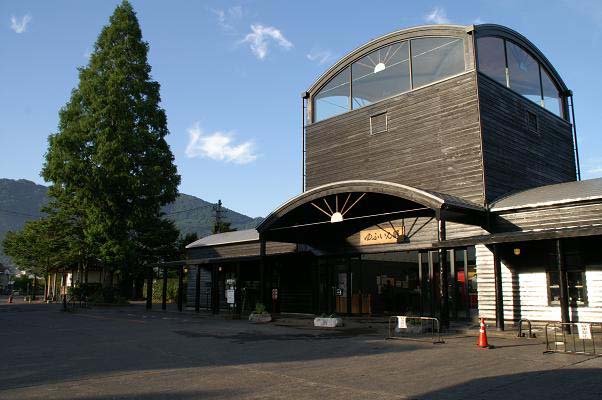
It is only once that I visited Kyushu, but a friend of mine sent me the photos of Yufuin. Yufuin is located in Oita prefecture and famous for mountains and hot springs. Different from the neighboring Beppu hot springs, it has a quiet and countryside atmosphere. These photos were taken when my friend climbed Mt. Yufudake. Mt. Yufudake is otherwise known as "Bungo Fuji." Bungo is the old name for Oita prefecture.

For more photos, access to my Website:
http://www.realjapan.org/photo/Yufuin/index.html
(Mt. Yufudake)

(Yufuin Station)

(Yufuin, Quiet Town Surrounded by Mountains)

Wednesday, September 20, 2006

Lycoris

It was the second time that I visited Kinchakuda. Kinchakuda means a rice field in the shape of drawstring bag, which was formed by the Koma river snaking through. It is now famous for lycoris in clusters. A scientific name is lycoris radiate. Flaming red flowers!

The nearest station is Koma, which was named for Goguryeo. In the old days, people who moved from Goguryeo had settled down.

I hear they started to make a charge for admission of 200 yen last year. They were very friendly.


Tuesday, May 23, 2006

Rice Growing and Irrigation Canal

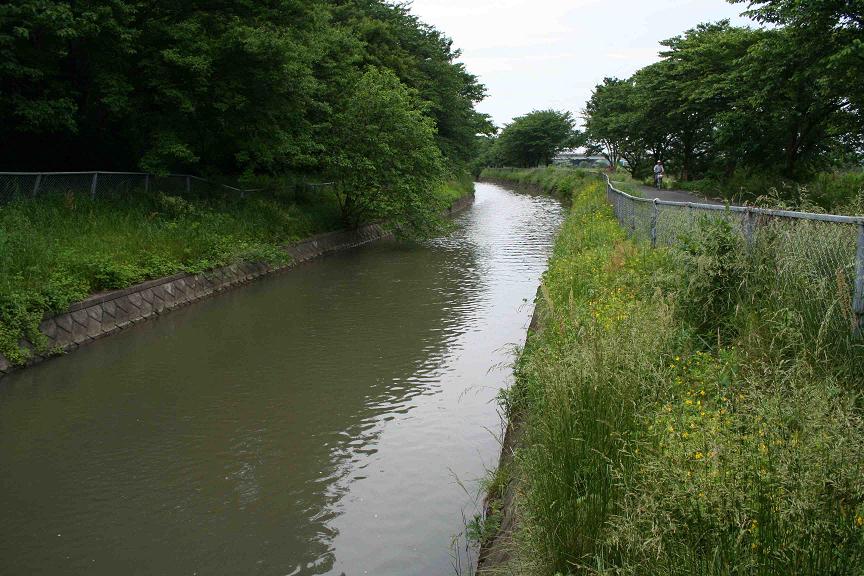
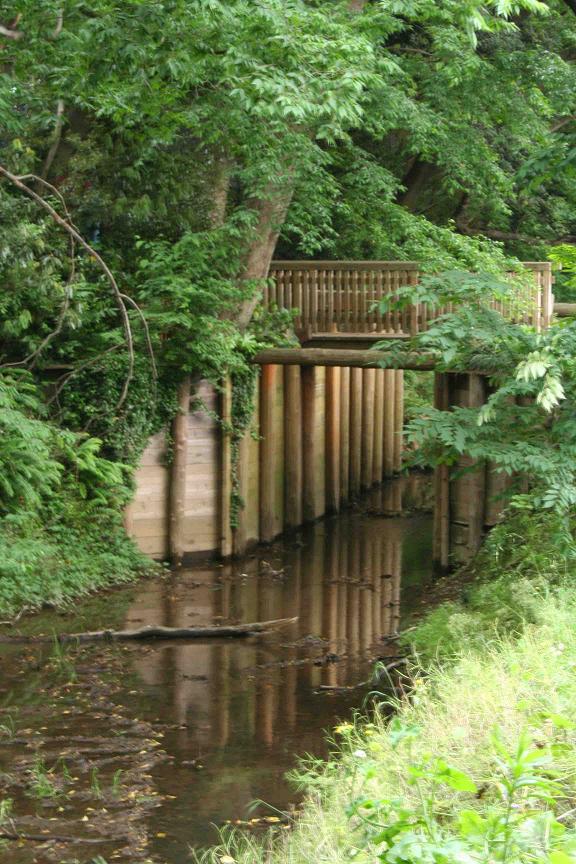
There are a lot of farmhouses in the suburbs of Tokyo. I went to the southern part of Saitama prefecture to see the paddy fields and the irrigation canals. Two canals, East and West, run north-south. They were built during Edo period and water was led from the Tone River, the second longest river in Japan. Canals were also used to run the boats carrying rice to Edo (Tokyo). They were called Tsusenbori. They show the high level of irrigation technology.

(Minuma Irrigation Canal)

(Remains of Tsusenbori)
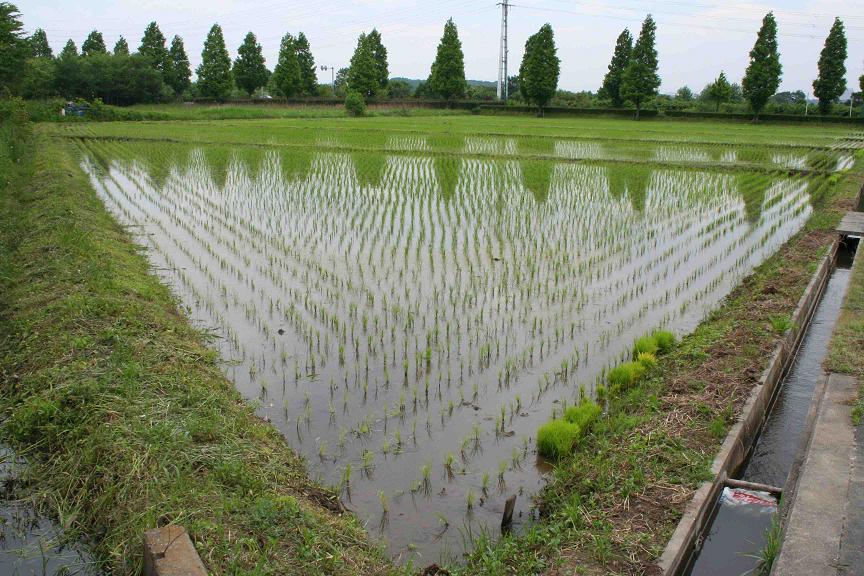

(Paddy Field)
Monday, May 15, 2006

Mt. Fuji Was in a Bad Mood Today!

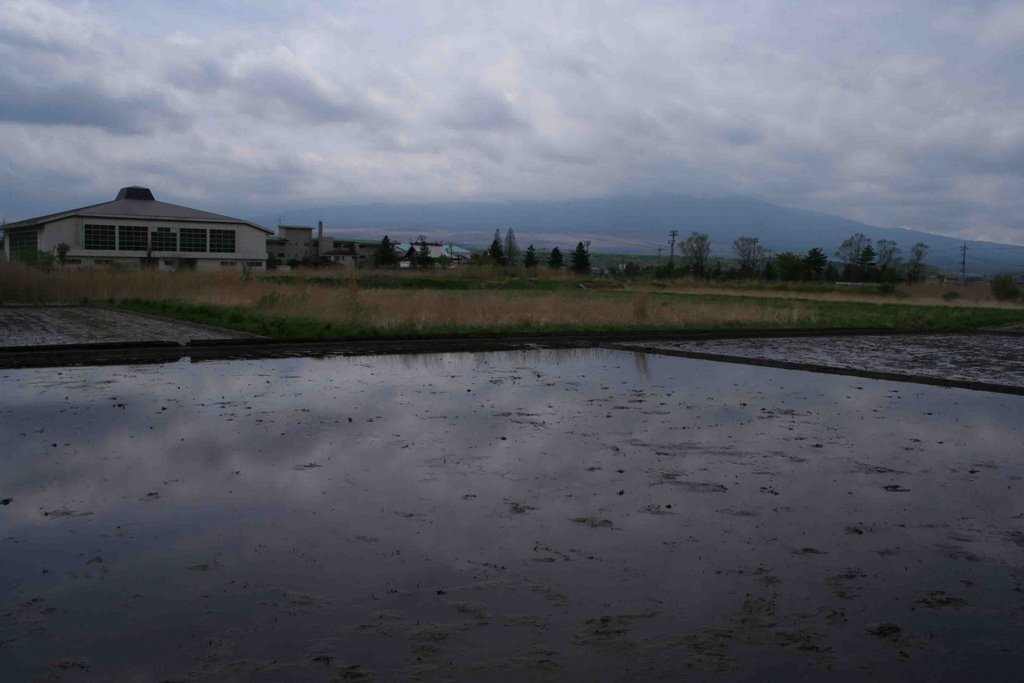
According to the weather forecast, it will be rainy or cloudy this week, but only Monday it will be sunny. So, I got up early this morning and went out to Oshino village northeast of Mt. Fuji. I reached there around 10 a.m. but the most of the mountain has already been hidden in cloud. A café owner said Mt. Fuji showed up only for a very short time early morning.
There are eight springs called Oshino Hakkai (=eight seas) at Oshino. They are springs from Mt. Fuji.


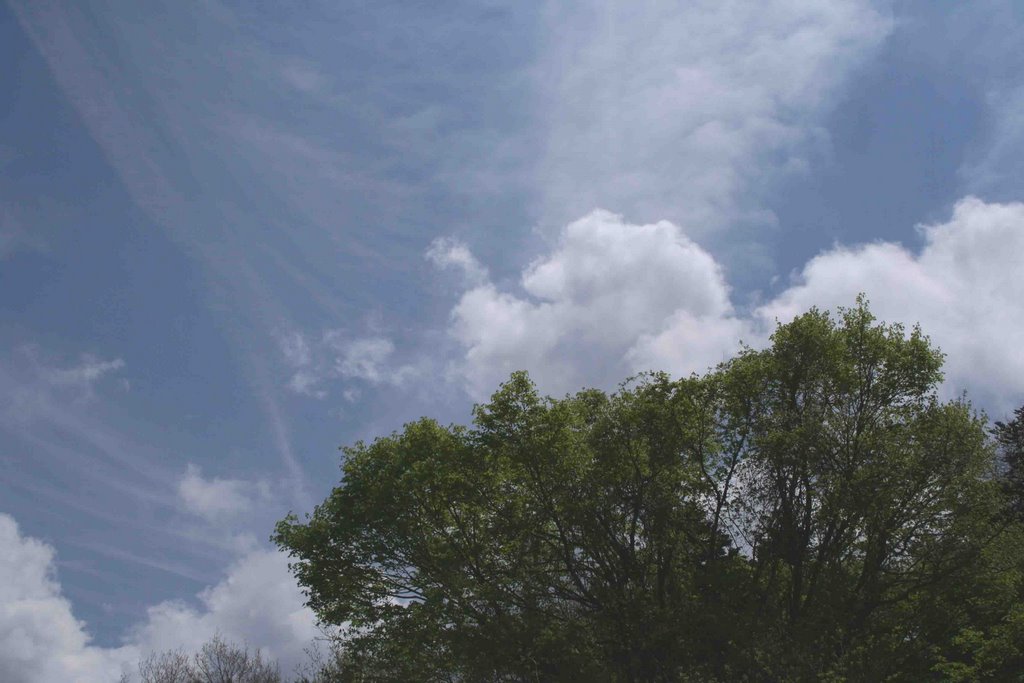
(An early summer sky.......)

(Paddy Field)

(One of the Eight Springs)
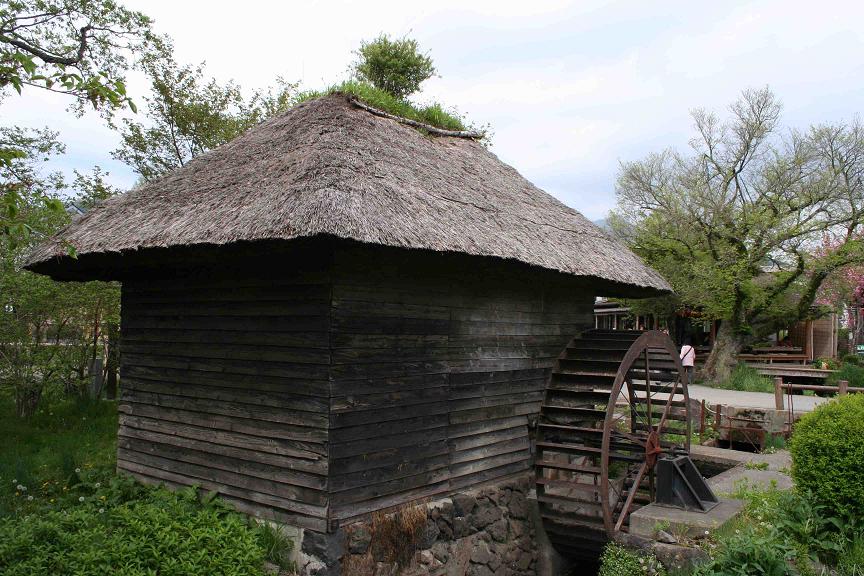
(Water Mill)