Showing posts with label City/Town. Show all posts

Monday, April 09, 2007

Daiba (or Odaiba)

Daiba meant a battery built along the coast at the end of Edo era in order to defend the nation from foreign attacks. This Shinagawa Odaiba is now an amusement park built on a reclamation site. On holidays a lot of people visit there for recreation. After five, young couples enjoy beautiful night views.

Over there you can see the Rainbow Bridge.


Odaiba seems to be a dog-walking spot.

Is this really Japan? I thought I have come to New York.


This place is still under construction. What do we still need more?


Over there you can see Tokyo Tower.


A crow is telling you the end of a day.

Friday, March 30, 2007

Cherry Blossoms at Kuonji Temple, Yamanashi pref.

Long time!
*************

Kuonji Temple is famous for weeping cherry blossoms.


After going up 287 steep stone stairs, you will be greeted by beautiful weeping cherry blossoms planted in the precincts.


Near Kuonji Temple, there are several temple lodgings (shukubo in Japanese). Each of them also has beautiful cherry trees. You can take a rest there with a hospitality of a cup of hot cherry water.


Kuonji Temple was founded by Nichiren in Kamakura era. His mausoleum was 20-minute walk from the temple. It entrance was decorated by cherry trees.


The nearest JR station is Minobu. The steet in fornt of ths station is called Shonin Street, derived from Nichiren Shonin. At both sides of the street, there were stores, each drawing its own family crest on the wall.

Friday, February 09, 2007

Shonan Beach Walking

“Shonan” is a name of area from Hayama to Ninomiya facing the Sea of Sagami. Shonan is a brand name. Its characteristics are:

  • Ocean view
  • Warm climate
  • Marine sports spots
  • Nice view of Mt. Fuji
  • Some celebrities live and used to live there.

Last month I walked along the shonan beaches. It took five days to finish this Shonan Beach Walking Project. I thought winter is the best season for walking. Differently from summer, they were not crowded and rather quiet; deeply you can feel the ocean wind.

The following was my schedule:
1st day: Chigasaki to Enoshima
2nd day: Enoshima to Kamakura
3rd day: Yuigahama to Hayama
4th day: Chigasaki to Oiso
5th day: Oiso to Mt. Azuma, Ninomiya


(Enoshima Viewing from Inamuragasaki)

(Mt. Fuji Floating in the Sky)

(Rest at Beach, Chigasaki)

(Praying in the Sunset)

For more photos, access to my Web site:

http://www.realjapan.org/photo/ShonanW1/index.html

http://www.realjapan.org/photo/ShonanW2/index.html

The shonan map is shown below.

Legend:
1 Isshiki Beach
2 Morito Beach
3 Zushi Beach
4 Zaimokuza Beach
5 Yuigahama Beach
6 Shichirigahama
7 Katase Beach
8 Tsujido Beach
9 Chigasaki Beach
10 Oiso Beach
11 River Nameri
12 River Sagami
13 Mt. Azuma

Tuesday, December 26, 2006

Thank you, Hikawamaru and Marine Tower

Hikawamaru is an ocean liner that made its maiden voyage in 1930. Marine Tower is an observation tower having a beacon function. These two, being located at or near Yamashita Park, have been the symbol of Port Yokohama since 1961, 100th anniversary of port opening. But they were closed on December 25. In recent years the amusement area was moved to Minato Mirai 21 area and the number of visitors to these two places decreased.

It was Hikawamaru that I visited first when I moved to Yokohama. It'll be sad to say goodbye.


It was decided that Marine Tower was bought by Yokohama City and would be reopened a couple of years later. What become of Hikawamaru?


Saturday, December 23, 2006

Tokyo Tower

With 333 meters in height, Tokyo Tower is the highest construction in Japan. It was the same day in 1958 that the Tower was opened.

Since last year a movie and a novel related with Tokyo Tower gained popularity across the country. “ALWAYS san-chome no yuhi (3-chome’s Sunset)” represented everyday life and human kindness in a downtown Tokyo around 1950’s. “Tokyo Tower”, with a subtitle “okan to boku to tokidoki oton (Mom and I, and sometimes Dad)” is a semiautobiographical novel of a young man coming into Tokyo from the country, containing mom’s plentiful love.
Tokyo Tower was the symbol during booming postwar economic growth.

At the top of the Tower there are analog and digital TV antennas; the increase of the high-rise buildings push up the TV interference these days. To reduce the interference, a New Tokyo Tower Plan was started. They say it requires more than 600 meters high. I wonder it would be a cat-and-mouse game.


(Tokyo Tower and Raindbow Bridge)

(Light-up at 16:00)

(From Zojoji Temple)

Gazing up from the bottom)

(Cherry Blossom Season)

Saturday, October 28, 2006

On A Sunny Day in Yokohama

It was a sunny day in October. I was wandering around Minato Mirai 21. I thought Yokohama was really an attractive town!

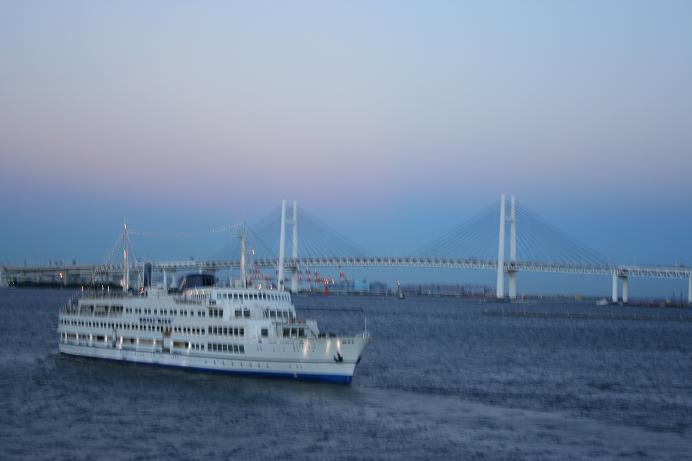
(Bay Bridge from Osanbashi)

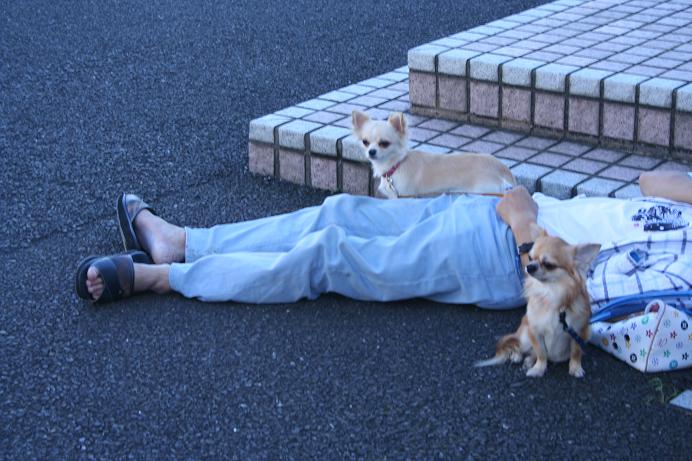
(Napping with Cute Puppies)

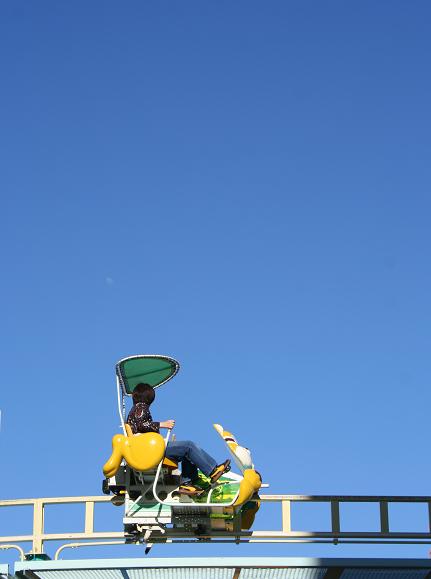
(Walking in the Sky)


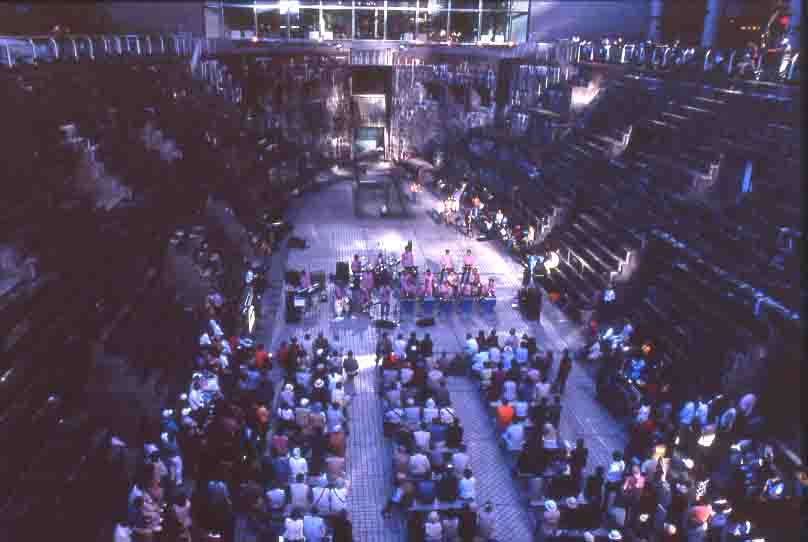
(Jazz Festival at Dockyard Garden)

Friday, September 22, 2006

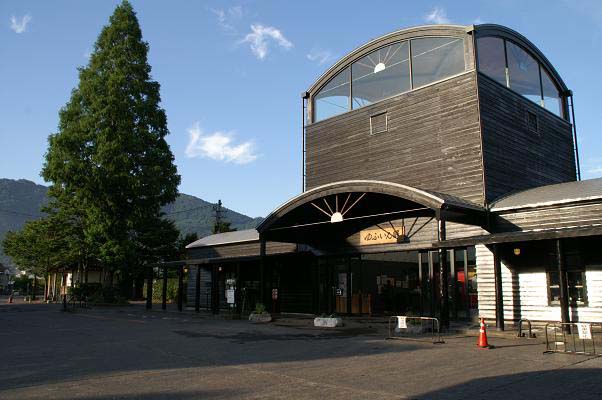
Yufuin

It is only once that I visited Kyushu, but a friend of mine sent me the photos of Yufuin. Yufuin is located in Oita prefecture and famous for mountains and hot springs. Different from the neighboring Beppu hot springs, it has a quiet and countryside atmosphere. These photos were taken when my friend climbed Mt. Yufudake. Mt. Yufudake is otherwise known as "Bungo Fuji." Bungo is the old name for Oita prefecture.

For more photos, access to my Website:
http://www.realjapan.org/photo/Yufuin/index.html
(Mt. Yufudake)

(Yufuin Station)

(Yufuin, Quiet Town Surrounded by Mountains)

Tuesday, September 19, 2006

Do You Know Iwashiro Town?

Typhoons are in season now in Japan. There seem to be a lot of disasters caused by typhoons and torrential rains this year.

In recent years, more and more people have started to think about moving into the rural countryside, away from the city life. Some long for rural life because it’s richly endowed with nature. Some do so because there is milk of human kindness. Others do so because living expenses are low.
Some rural cities and towns try to absorb such people positively. It will result in the revitalization of regional community.
There also are some people who would like to support to work as a bridge. These photos were provided by such a person who is a friend of mine.

Iwashiro is a small town with a population of about 10,000, located at the center part of Fukushima prefecture and east of Mt. Adatara. People try to protect and develop nature and traditional Japanese culture.


For more photos for Iwashiro, access to my website:
http://www.realjapan.org/photo/Iwashiro/index.html

(Weeping Cherry Tree at Historic Battlefield)

(Mt. Fuji View from Mt. Hiyama)

(Annual Festival of Bannin Komori Jizoson (Guardian Deity of All Children)

Monday, September 18, 2006

Enjoying the Cool Evening Breeze in Yokohama

From the end of July to the end of August I was enjoying the cool evening breeze. Especially near the harbor it was cooler. I was practicing an energy-saving action during this summer. At the same time I was enjoying beautiful night views, which were somehow energy-consuming.
I have posted photos at Yokohama Harbor at my website. Please enjoy them.

My WebSite RealJapan:
http://www.realjapan.org/
(Yokohama Rhapsody)

Saturday, June 17, 2006

Early Summer of Suigo (Water Village)

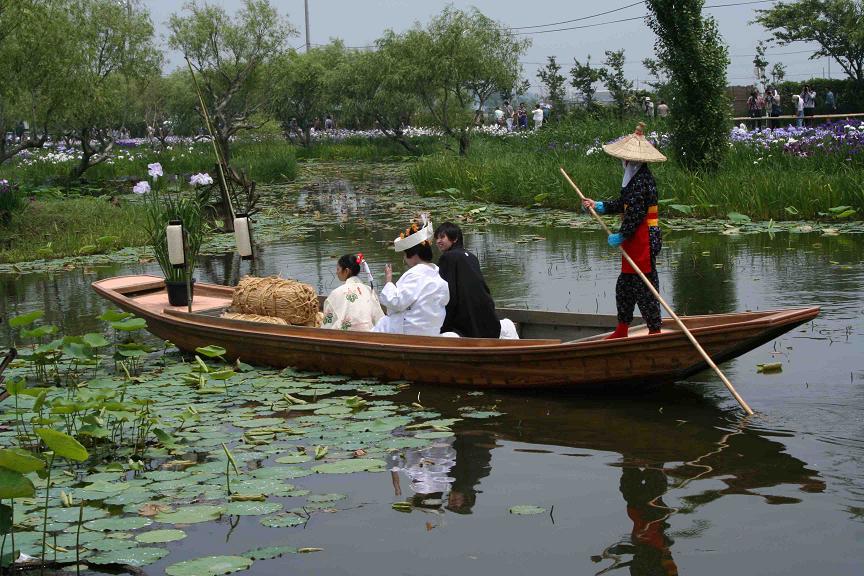
In Kanto Region there is the Tone River whose basin area is the largest in Japan. The border area between Chiba and Ibaragi prefectures is called “Suigo” and has a wide paddy field zone. In Edo period the area flourished in water transport connecting Tohoku Region and Edo. A boat called “Sappa-bune” used to be an intra-regional transport means for the people. Also at marriage, they used to pole a boat.
In Sawara Aquatic Botanical Garden, they recreate the marriage boat in the iris season. A couple chosen for this day had a wedding ceremony here, receiving a blessing from a large audience.


(Irises at Aquatic Botanical Garden)


(Marriage Boat)

Wednesday, May 03, 2006

Omotesando

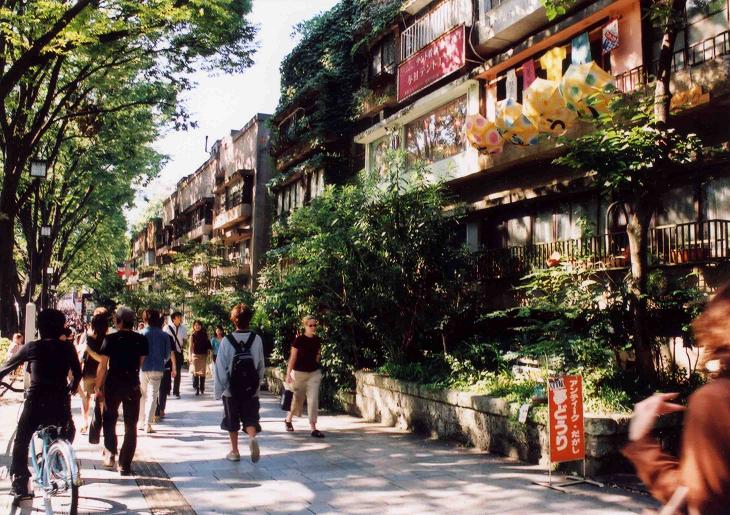
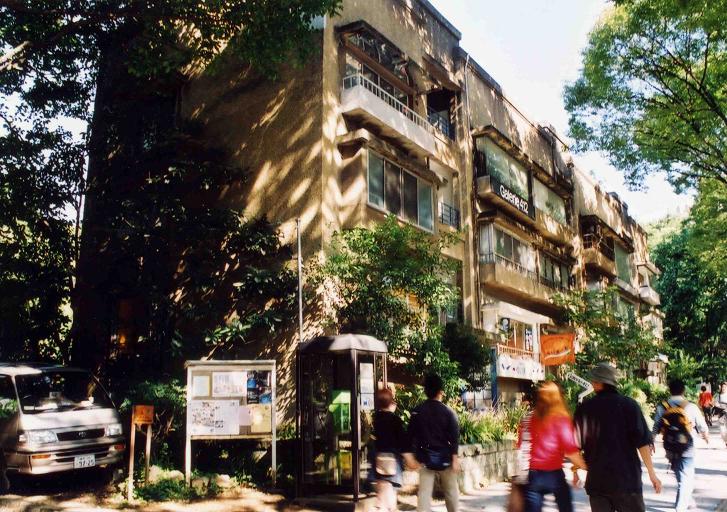
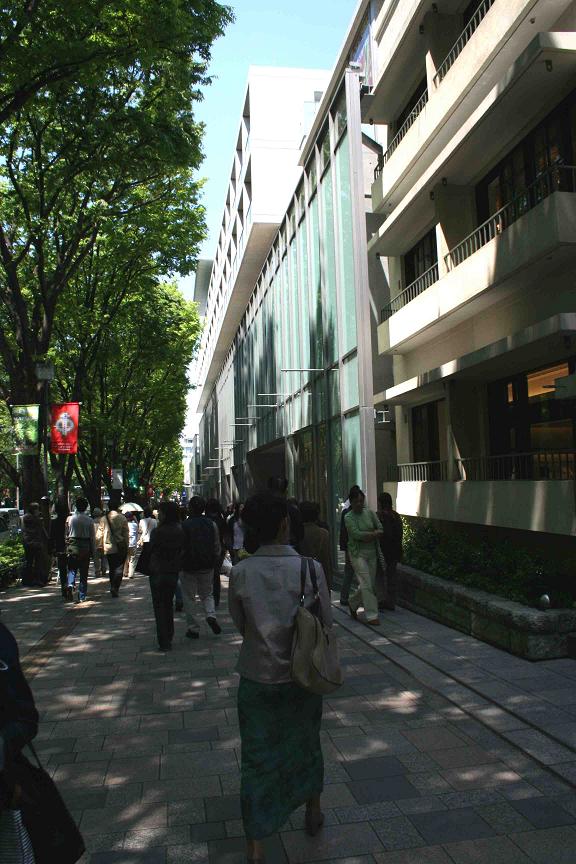
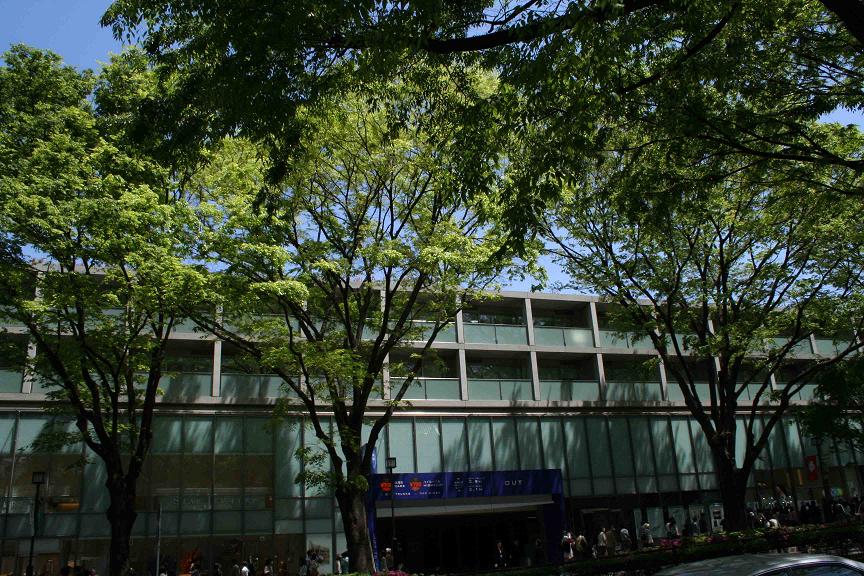
It was a beautiful day. I went to Omotesando at Shibuya, Tokyo to see a photo exhibition. Omotesando is a popular place especially for young people, because it is one of the trendsetting towns in Japan. In February new commercial facilities, “Omotesando Hills,” was opened. This building was built after a decrepit apartment called “Dojunkai” was pulled down. Dojunkai apartment was built after the Great Kanto Earthquake in 1923 and had been a landmark at Omotesando.
Avenue of zelkova trees is the season of new green leaves. I recommend you to enjoy a smart atmosphere of Omotesando but avoid visiting on holidays.

(Dojunkai Apartment)

l
\/


(Omotesando Hills)