Friday, August 04, 2006

I Can't Wait for Ear Emergence!

When I arrived at the rice field, I happened to see a farmer who is a member of K family. He said we would be able to see ear emergence around Obon (August 12 to 16). He also said the neighboring two fields were damaged by rice blast and that one of the causes was that they used groundwater directly without storing water for warm up.
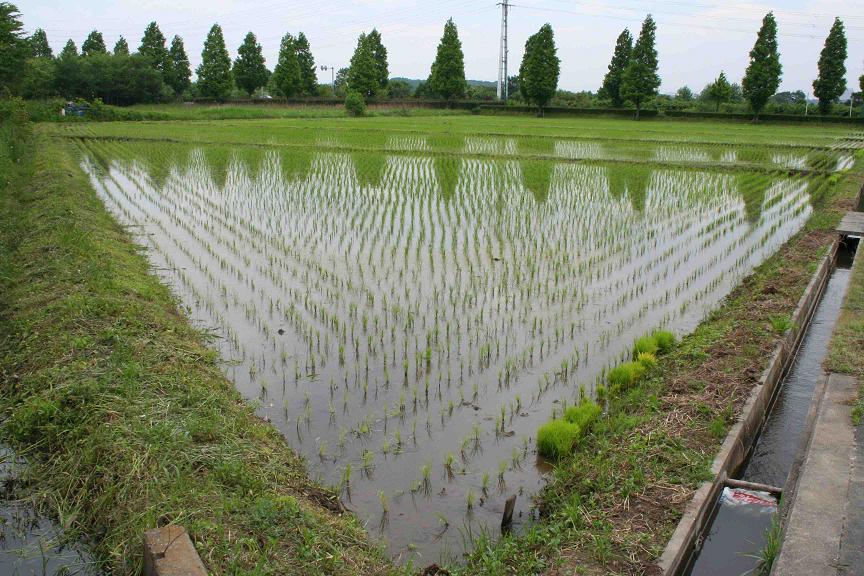
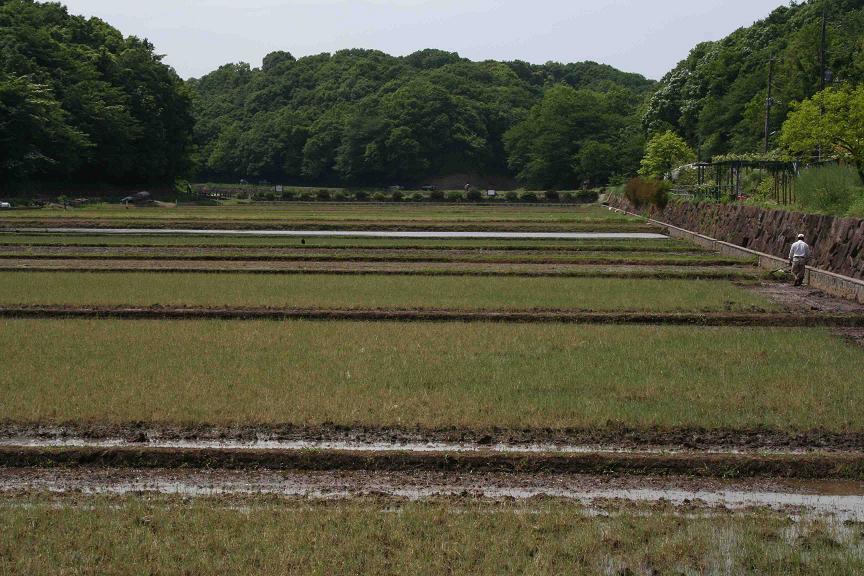
(Today's Rice Field)
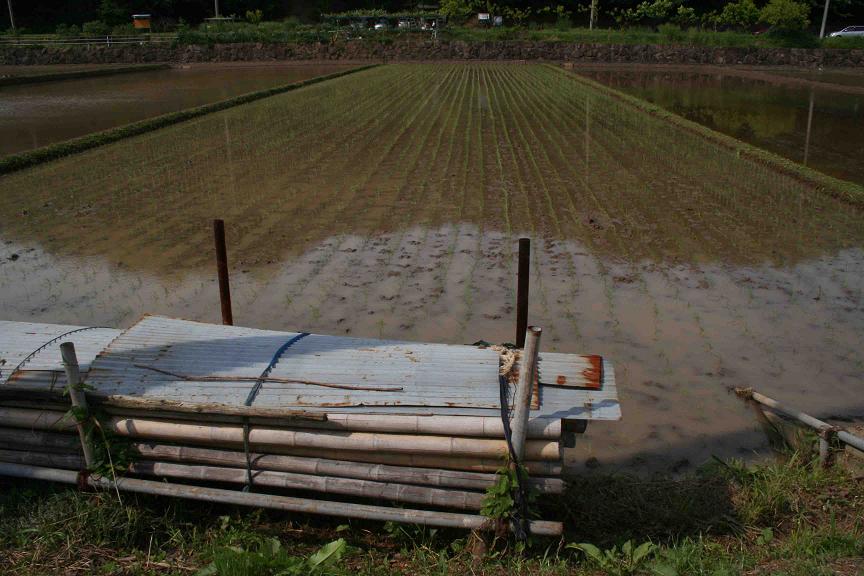
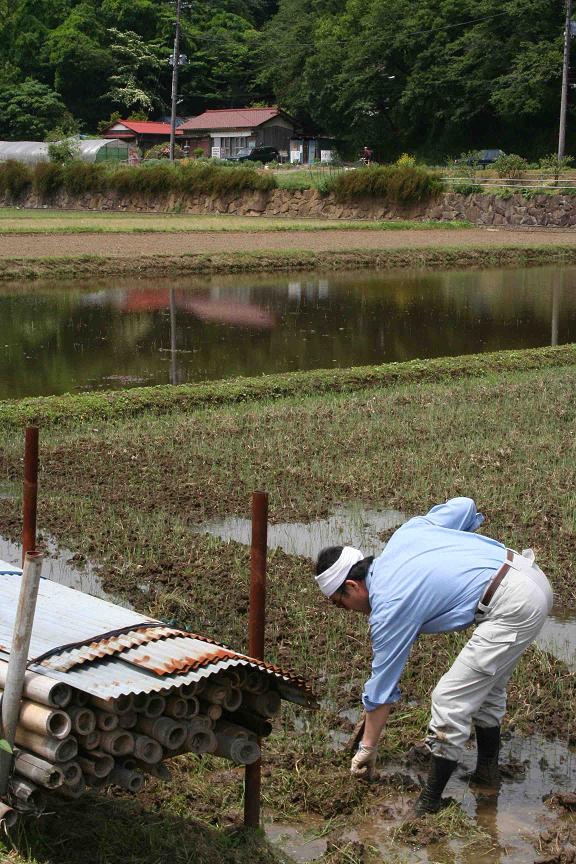
(Close-up)

(Damage by Rice Blast)
When I visited last week, I found a rice field was covered with orange nets. I had heard that the rice planting had taken place at the field first this year and the planted brand was “Koshihikari (meaning light of Koshi (=Niigata Prefecture))” that was a famous brand in Japan. Today I have found ear emergence all over the field. Dragonflies were flying freely.
At home we have “Hitomebore (meaning love at the first sight)” which is a closely-related variety of Koshihikari and cheaper than Koshihikari.

(Dragonflies Flying over the Rice Field)

(Ear Emergence of Koshihikari)

Sunday, July 30, 2006

Rice Is Thriving In.

On Wednesday I visited the rice field to see how it is. The length was more than 60 cm. This year the rainy season lasts more than usual and there is a special concern about the lack of sunlight. The end of the rainy season was announced in the western part of Japan; it will be done soon also in the eastern part of Japan.

Near the rice field a farmer was selling fresh vegetables, so I bought a tomato and took bites out of a whole tomato. There was no freshly-picked green scent. I was disappointed. My grandfather used to grow vegetables for my family after retirement. He organically grew various vegetables such as cabbage, eggplant, cucumber, tomato, pea, green onion, and green chive. I used to help to pick up budworms from cabbages. I feel nostalgic for my grandpa’s tomato.


Monday, July 24, 2006

Biei Full of Flowers

I was visiting Biei again. Now it was full of flowers, especially lavender in full bloom. The weather was not so good; sometimes I was caught in a shower. But I was able to enjoy a three-night travel very much, because there were unexpected encounters with several people who are deeply attached to Biei. They were kind enough to take us to some places by their car. I had borrowed a bicycle to go around Biei town and hills. Just riding a bicycle to a pension on a hill had made my knees quiver. This wasn’t how it was supposed to be.
Fields and crops on the hills are what farmers raised with loving care. We can enjoy eating freshly-picked vegetables at lodgings.


(Colorful Garden at Farm Tomita, Nakafurano)
(Everyone Takes a Shot!)

(Trees and Potato Field, Biei)

Sunday, July 09, 2006

Hozuki Fair at Asakusa

Asakusa was very much crowded also today. Hozuki Fair was held at the precinct of Sensoji Temple. This also is one f the summer images. Some people wore a yukata kimono (simple summer version). It is said that Hozuki fair was originally held at another place, Atago Shrine and green hozuki had been used for drug. Now Asakusa Hozuki Fair is famous. July 10th, the final day, is a merit day of Kannon (Deity of Mercy); once visiting on the day, we can get a benefit corresponding to 46,000 days.

(Stalls Selling Hozuki)

(Stalls Selling Hozuki)

(Hozuki Girl)

(Yukata Girls)

Thursday, July 06, 2006

Summer Image, Japanese Morning Glory Fair

Every child has an experience of growing the morning glory at a primary school in Japan. At Iriya, an old town in Tokyo, near Ueno, a Japanese morning glory fair, one of the summer images, has started today. At the narrow sidewalk and the precinct of Shingenji Temple, more than fifty stalls were set up.
According to a brochure, morning glory flower was carried down as a drug by a Japanese envoy to China in the Tang Dynasty. Growing morning glory flowers for visual effect became booming during Edo period. In Meiji era, Iriya became famous for morning glory and the flowers were displayed and sold, but all the gardeners closed a business by the beginning of Taisho Era. The fair revived after the War.
Popular is “Danjuro”, whose color is the same as that of the famous Kabuki actor, Danjuro Ichikawa. I bought one pot having four kinds of colors. It costs 2,000 yen. I felt rather expensive. I selected a stall which uses eco-friendly pots. I will be able to enjoy the flowers till the beginning of November.


(Precinct of Shingenji Temple)

(Stalls at the Sidewalk)

(Sellers' Own Costumes)

(I Will Help to Water Flowers.)

(Danjuro*)

*The pure Danjuro seems to have no while edging.

Sunday, July 02, 2006

The Way to Keep Cool in Summer

Air conditioner is indispensable at offices, but at home I would like to reduce the time to use an air conditioner. At the previous blog, I wrote about a wind-chime. There is another eco-friendly way to keep cool. I would like to use a paper fan or folding pan as much as possible. The paper fan’s air is gentle and easy to control; it is good to babies, the elderly, and the sick. Folding fan is convenient when going out.


(Paper Fan) (Uchiwa in Japanese)
(Fan - folded ) (Sensu in Japanese)

(Fan - spread)

Friday, June 30, 2006

Wind-Chime Fair

The gentle tone of a wind chime brings the coolness. This is one of the ways how we spend the summer coolly.

A Wind-Chime Fair is held at Kawasaki Daishi Heikenji Temple in Kawasaki City next to Tokyo. Booths from a lot of prefectures are set up in the precinct. This year it will be held from July 19 to 23. Last year I bought a glass wind chime and enjoyed a gentle tone.


(Wind-Chime Fair in Kawasaki)

(Wind-Chime Fair in Kawasaki)

( Wind-Chime at Veranda)

Thursday, June 29, 2006

Hydrangea’s Temple

Near Kita-Kamakura station there is a temple called Meigetsuin. It is famous for hydrangea. Even on weekdays it is very much crowded in this season. They say they are cultivating blue hydrangea. The pictures were taken a week ago.


Wednesday, June 28, 2006

Rice Is Growing!

Today’s paddy field is very quiet and rice is growing to 25 - 30 cm. Only the Sun was gazing out benevolently.


Saturday, June 17, 2006

Early Summer of Suigo (Water Village)

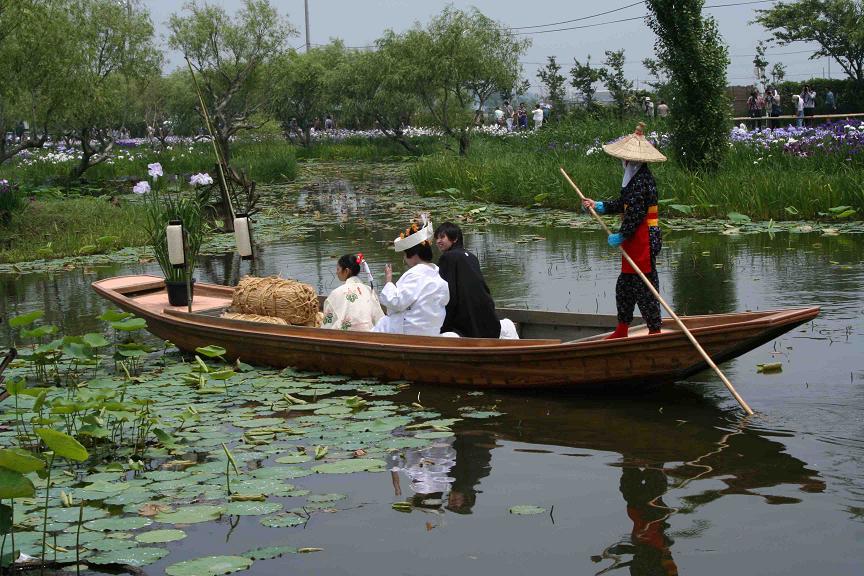
In Kanto Region there is the Tone River whose basin area is the largest in Japan. The border area between Chiba and Ibaragi prefectures is called “Suigo” and has a wide paddy field zone. In Edo period the area flourished in water transport connecting Tohoku Region and Edo. A boat called “Sappa-bune” used to be an intra-regional transport means for the people. Also at marriage, they used to pole a boat.
In Sawara Aquatic Botanical Garden, they recreate the marriage boat in the iris season. A couple chosen for this day had a wedding ceremony here, receiving a blessing from a large audience.


(Irises at Aquatic Botanical Garden)


(Marriage Boat)

Saturday, June 03, 2006

Coming of the Skunk Cabbage Season

I went to Oze to see the skunk cabbages. Oze is one of the RAMSAR sites in Japan and a popular moor with the tourists. Various activities are carried out for the preservation of the Oze moor. This was a tour using a night bus. The bus leaving Shinjuku at 23:00 on Friday arrived at Hatomachi Pass in Gunma prefecture after 5:00 next morning. As there was much snow this year, it is said that flowers bloom later than usual. It was a good time to visit there; white skunk cabbages welcomed us. Next week will be a full bloom. Board walk is prepared for tourists in this area. We walked on the remaining snow and then on the board walk. I slipped and fell on my rear, as I had feared. Oze after an almost 20-year absence was not gentle to me.

About Oze:
http://www.env.go.jp/en/nature/npr/ramsar_wetland/pamph/pdf/16.pdf


(Mt. Shibutsu and Skunk Cabbages)

(Skunk Cabbages)
(Mt. Hiuchigatake and Tourists)

Monday, May 29, 2006

Rice Planting by Hand

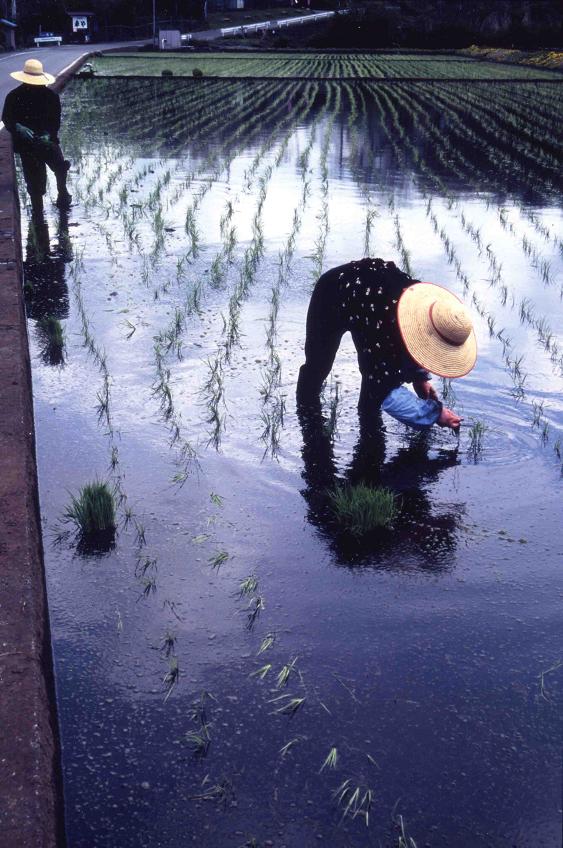
I will show a picture of rice planting by hand, as I promised. When I visited Oshino Village, I happened to see them planting young rice plants. They were about to take a rest, but I asked to allow me to take pictures of them. I took several shots quickly. Most farmers use a rice planter. Only at small paddy fields and terrace paddy fields, they plant rice by hand.

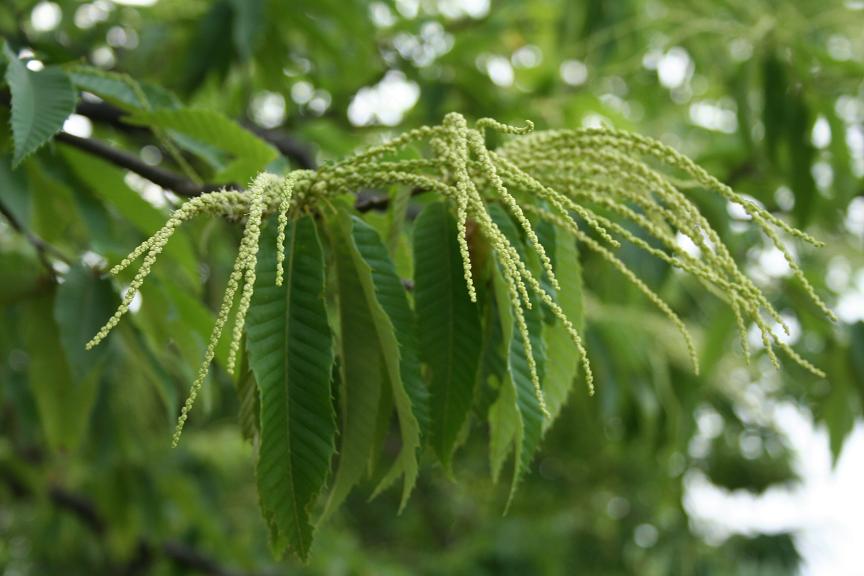
When I took a walk today, I found the following flowers. Do you know the name of the flowers?


The Answer is [Chestnut]

It was the first time I saw the flowers of chestnut.

Tuesday, May 23, 2006

Rice Growing and Irrigation Canal

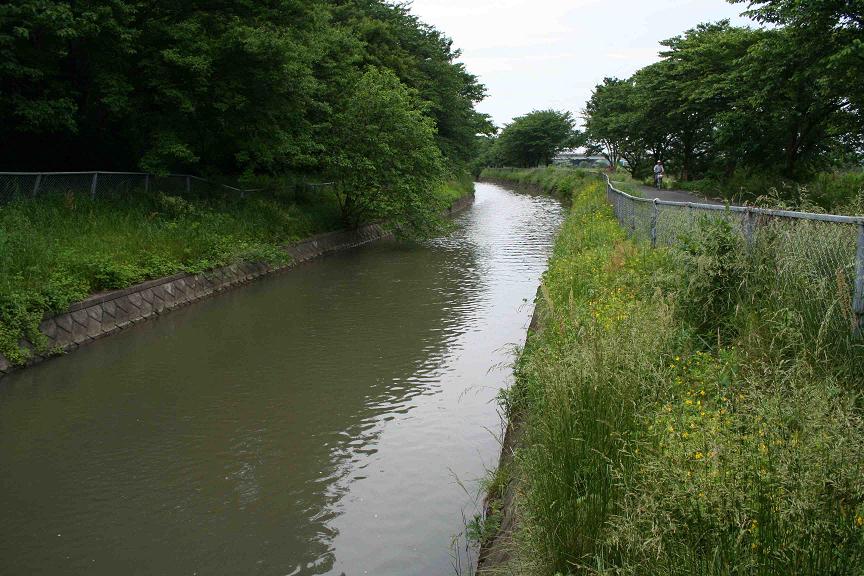
There are a lot of farmhouses in the suburbs of Tokyo. I went to the southern part of Saitama prefecture to see the paddy fields and the irrigation canals. Two canals, East and West, run north-south. They were built during Edo period and water was led from the Tone River, the second longest river in Japan. Canals were also used to run the boats carrying rice to Edo (Tokyo). They were called Tsusenbori. They show the high level of irrigation technology.

(Minuma Irrigation Canal)

(Remains of Tsusenbori)
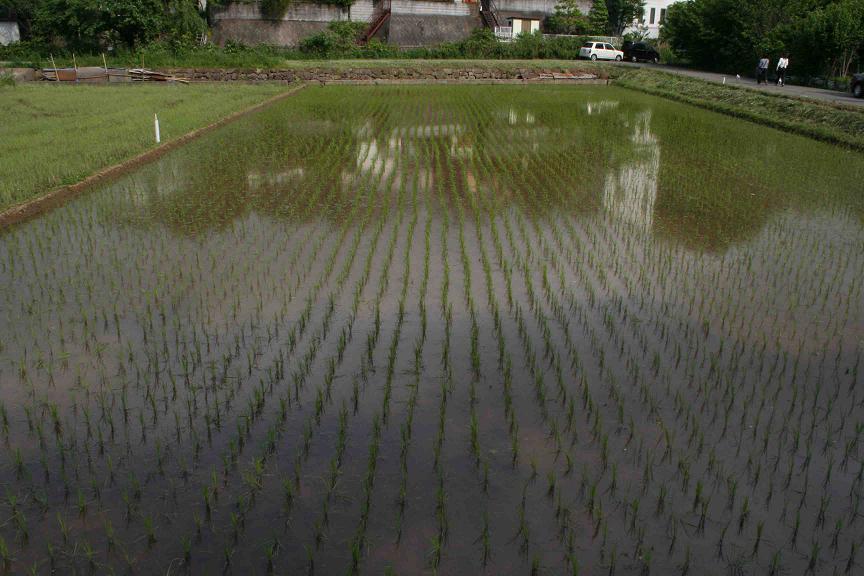

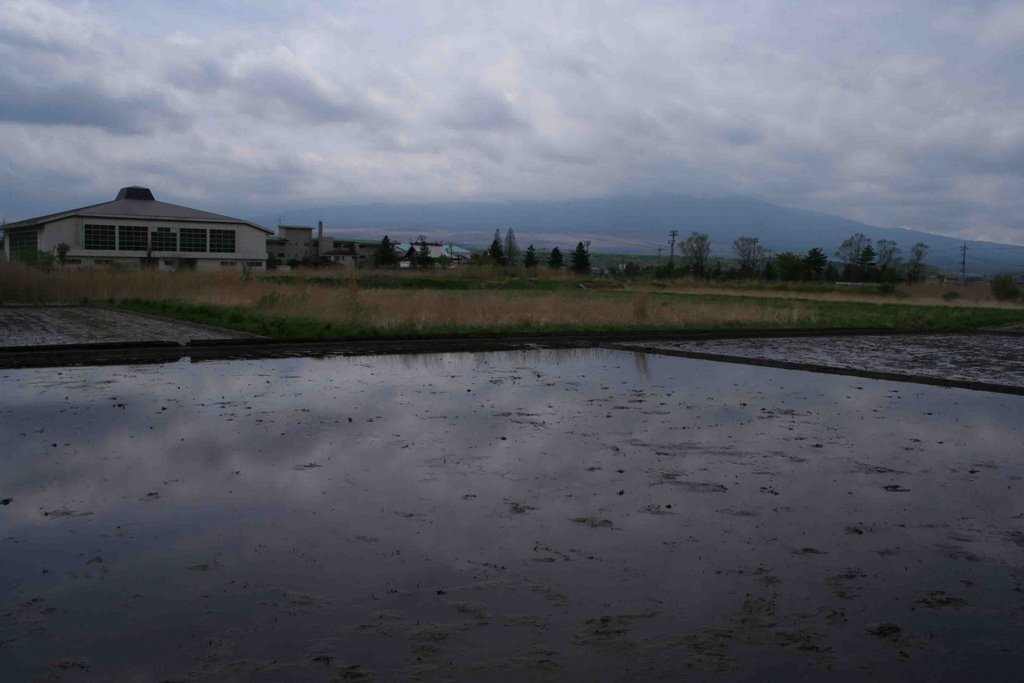
(Paddy Field)
Monday, May 22, 2006

Rice Planting Done

Rice Planting on the farmer’s paddy field has been done as he had said the other day. Perhaps I think he used a rice planter. I saw some farmers doing rice planting without using a machine at Oshino village. I think I can show you the pictures tomorrow.


Monday, May 15, 2006

Mt. Fuji Was in a Bad Mood Today!

According to the weather forecast, it will be rainy or cloudy this week, but only Monday it will be sunny. So, I got up early this morning and went out to Oshino village northeast of Mt. Fuji. I reached there around 10 a.m. but the most of the mountain has already been hidden in cloud. A café owner said Mt. Fuji showed up only for a very short time early morning.
There are eight springs called Oshino Hakkai (=eight seas) at Oshino. They are springs from Mt. Fuji.


(An early summer sky.......)

(Paddy Field)

(One of the Eight Springs)

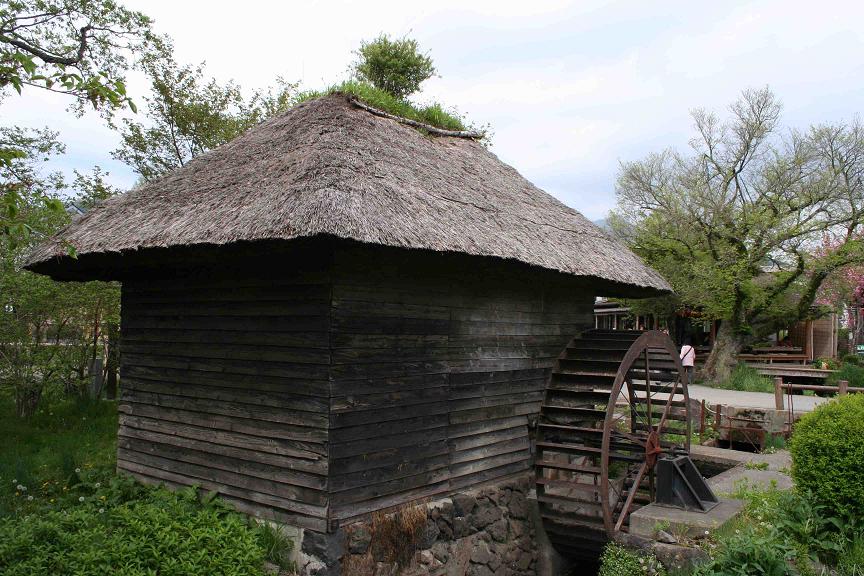
(Water Mill)

Friday, May 12, 2006

Rice-Planting Season

The Japanese live on rice. Children are brought up not to leave any rice in their bowl. Rice fields are seen throughout Japan. A farmer I happened to meet today said that rice planting used to be carried out in June, but recently it was done during May. It is because they grow rice of early season cultivar, which reduces the risk of the damage due to typhoon. The farmers were preparing for rice planting scheduled on next weekend.
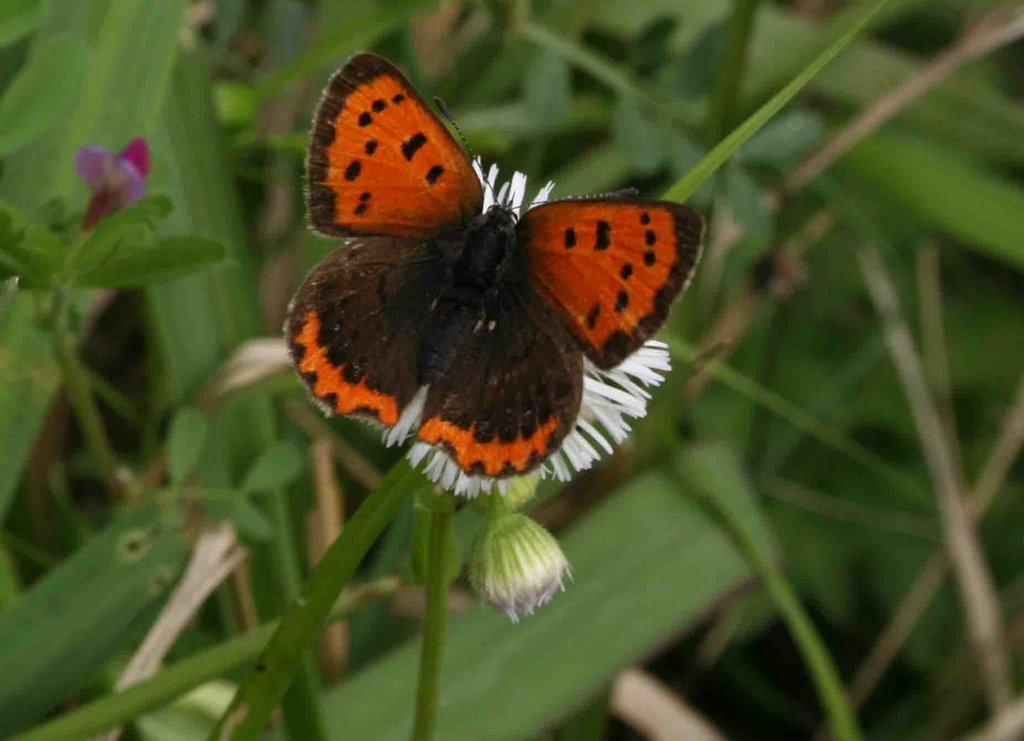
I saw butterflies and a dragonfly.


Friday, May 05, 2006

Children’s Day

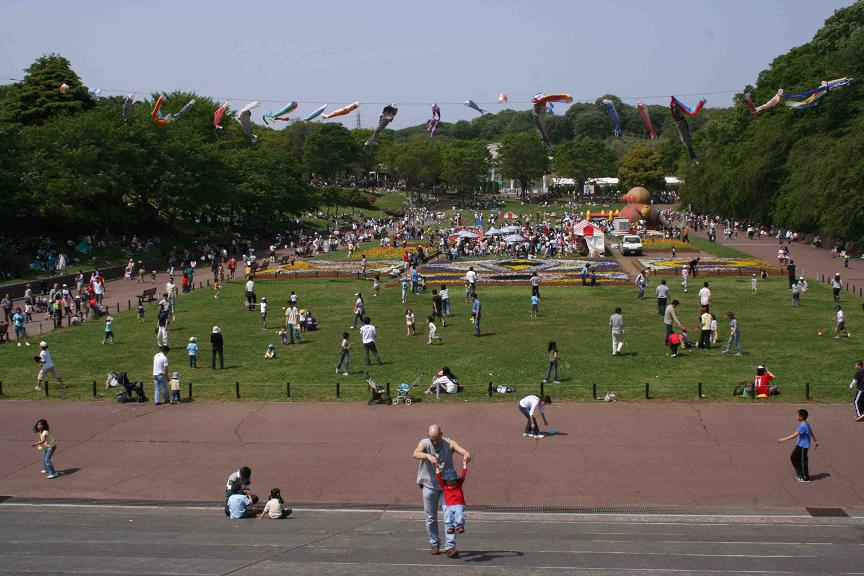
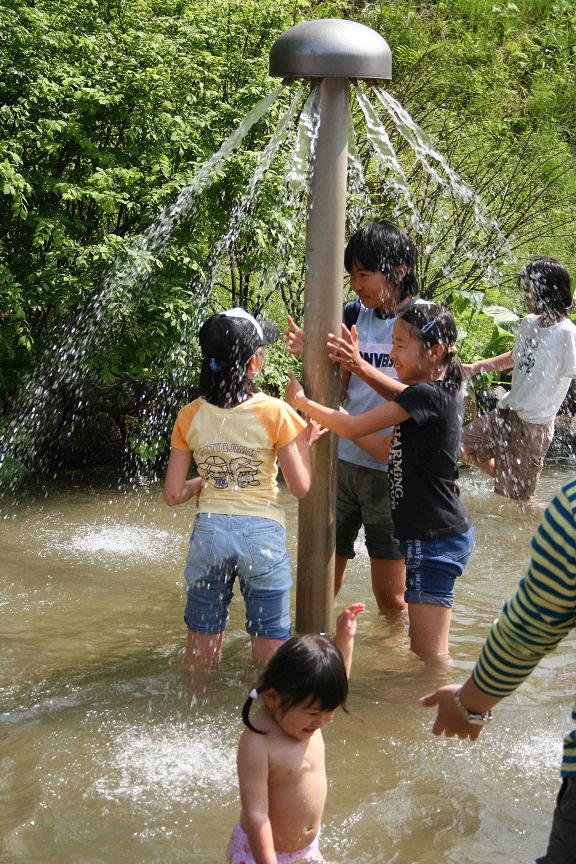
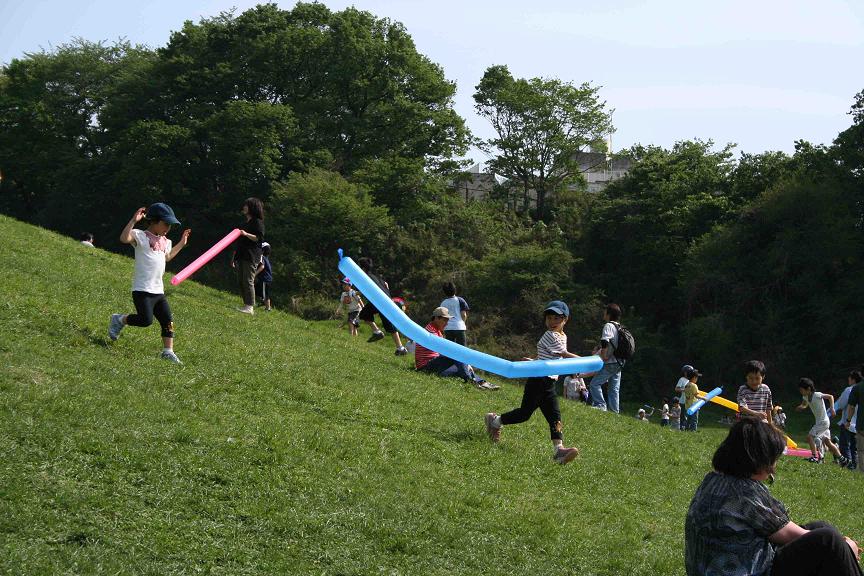
Kodomo-no-kuni (Children’s Land) was very much crowded with families. This natural playland is located in the hills of western Yokohama. Today children were admission-free. There were a lot of smile of children who were innocently at play.

For more information of Children’s Day, access to the following my Web site:
http://www.realjapan.org/life/event/mayevent.html