Monday, May 29, 2006

Rice Planting by Hand

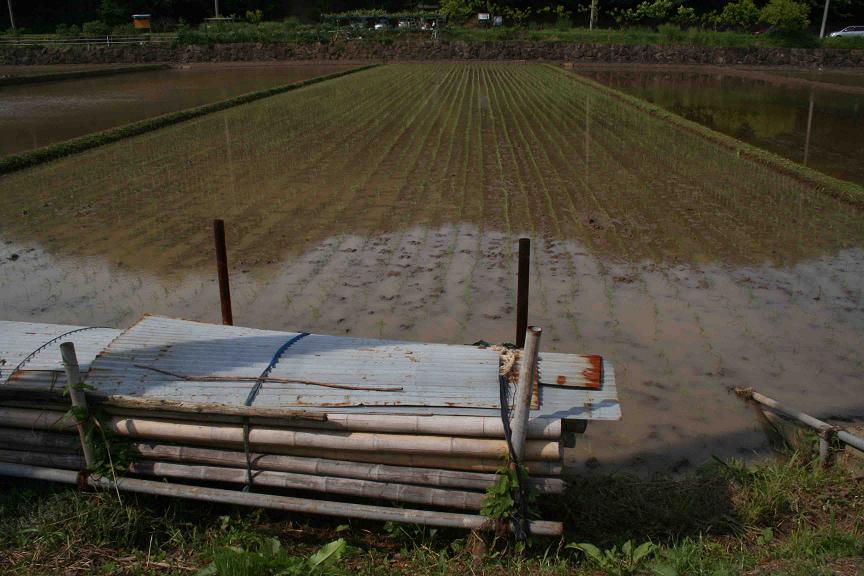
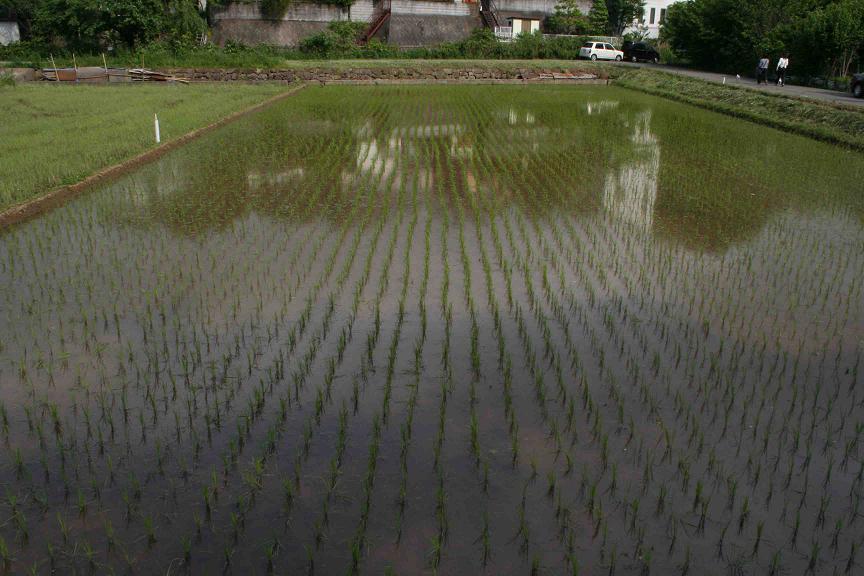
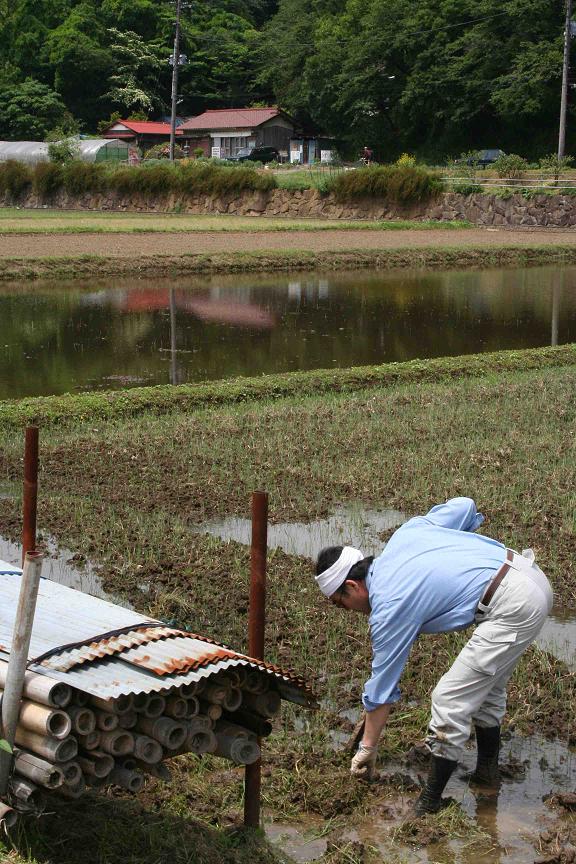
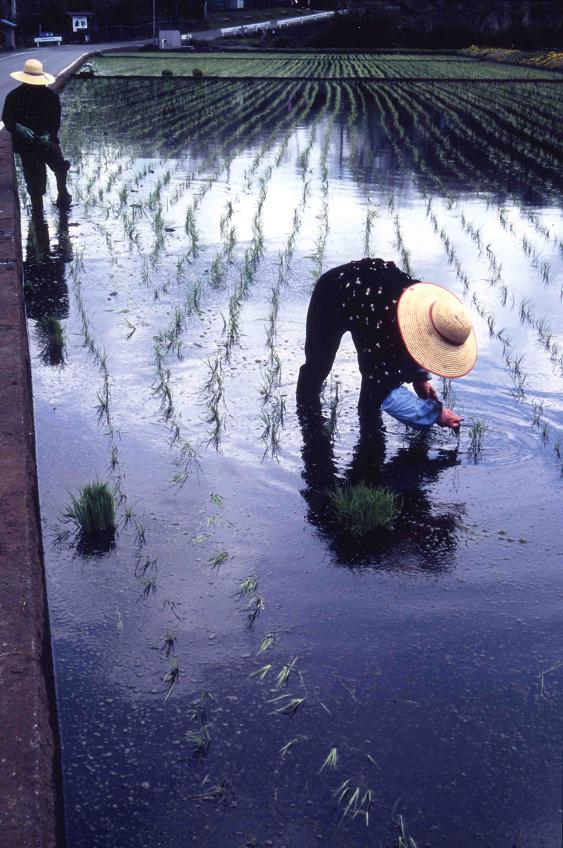
I will show a picture of rice planting by hand, as I promised. When I visited Oshino Village, I happened to see them planting young rice plants. They were about to take a rest, but I asked to allow me to take pictures of them. I took several shots quickly. Most farmers use a rice planter. Only at small paddy fields and terrace paddy fields, they plant rice by hand.

When I took a walk today, I found the following flowers. Do you know the name of the flowers?
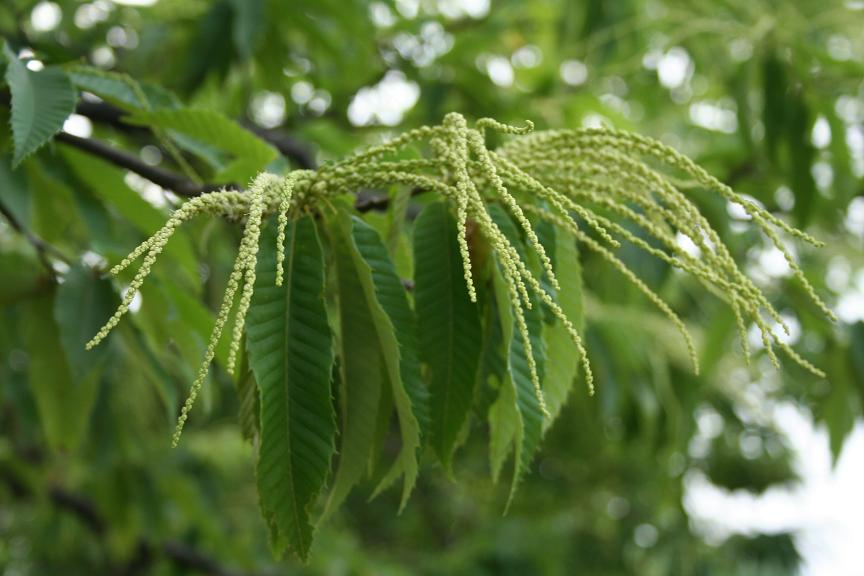

The Answer is [Chestnut]

It was the first time I saw the flowers of chestnut.
Tuesday, May 23, 2006

Rice Growing and Irrigation Canal

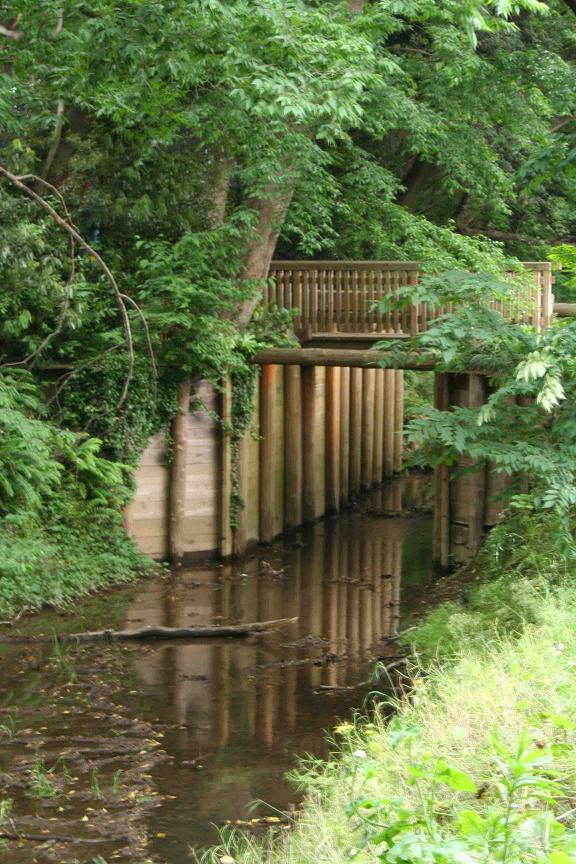
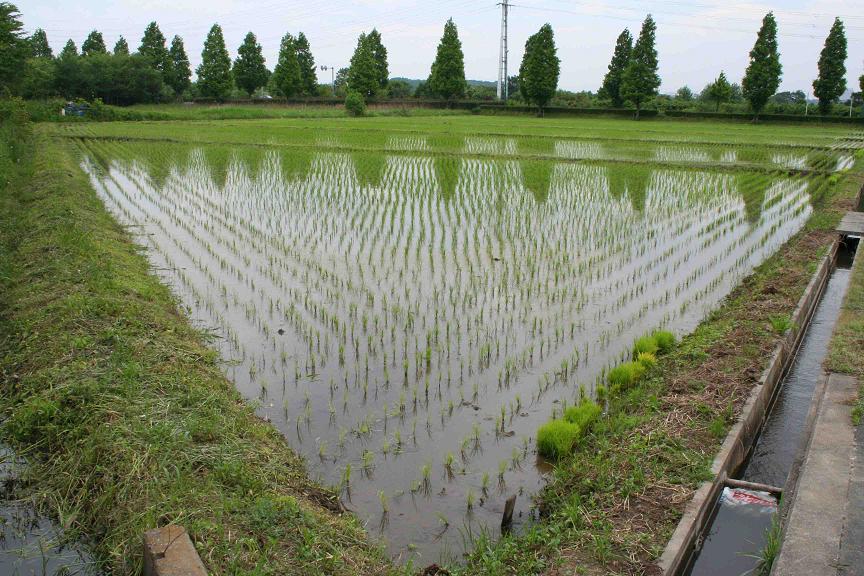
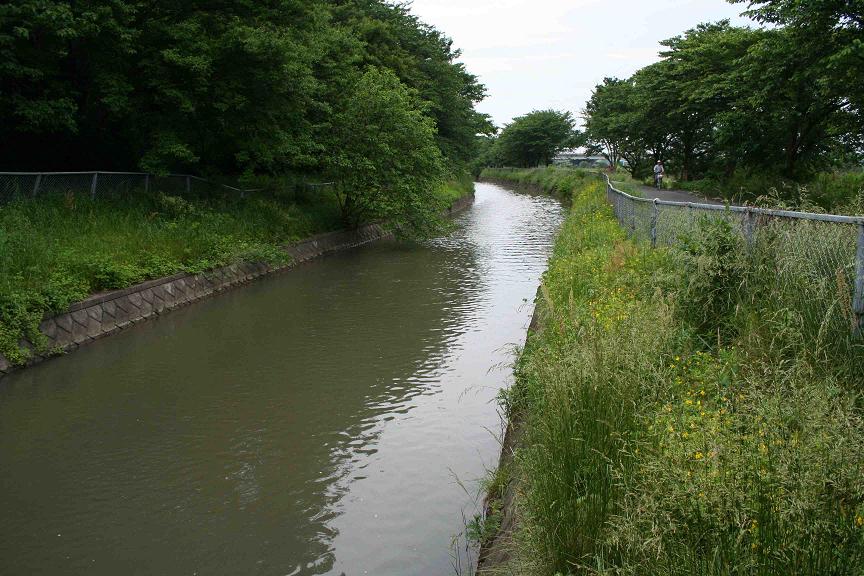
There are a lot of farmhouses in the suburbs of Tokyo. I went to the southern part of Saitama prefecture to see the paddy fields and the irrigation canals. Two canals, East and West, run north-south. They were built during Edo period and water was led from the Tone River, the second longest river in Japan. Canals were also used to run the boats carrying rice to Edo (Tokyo). They were called Tsusenbori. They show the high level of irrigation technology.

(Minuma Irrigation Canal)

(Remains of Tsusenbori)


(Paddy Field)

Monday, May 22, 2006

Rice Planting Done

Rice Planting on the farmer’s paddy field has been done as he had said the other day. Perhaps I think he used a rice planter. I saw some farmers doing rice planting without using a machine at Oshino village. I think I can show you the pictures tomorrow.


Monday, May 15, 2006

Mt. Fuji Was in a Bad Mood Today!

According to the weather forecast, it will be rainy or cloudy this week, but only Monday it will be sunny. So, I got up early this morning and went out to Oshino village northeast of Mt. Fuji. I reached there around 10 a.m. but the most of the mountain has already been hidden in cloud. A café owner said Mt. Fuji showed up only for a very short time early morning.
There are eight springs called Oshino Hakkai (=eight seas) at Oshino. They are springs from Mt. Fuji.


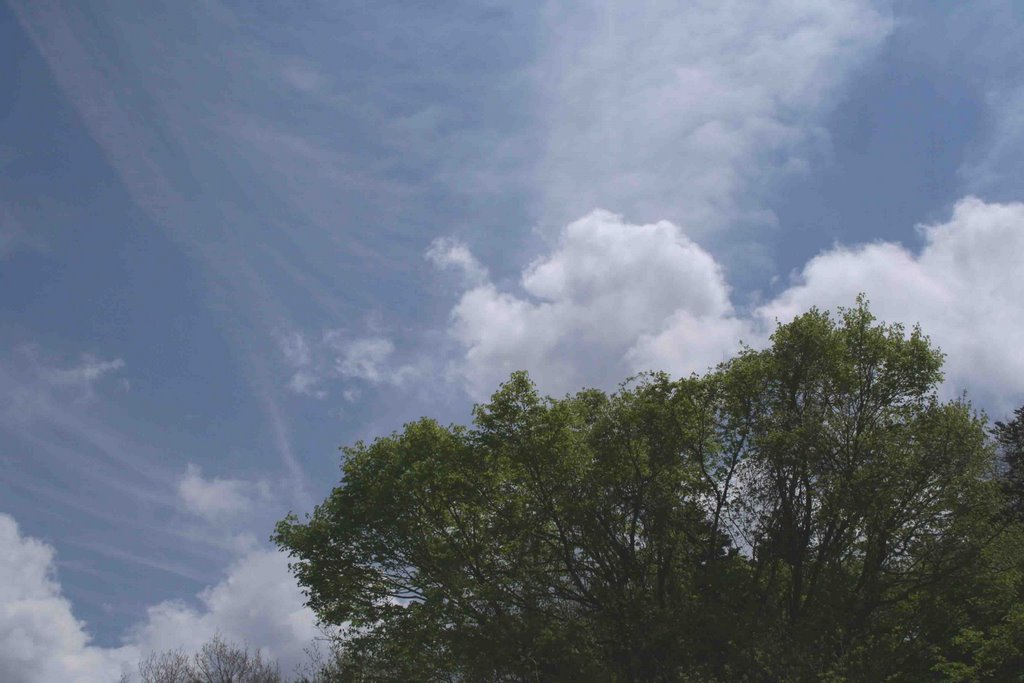
(An early summer sky.......)

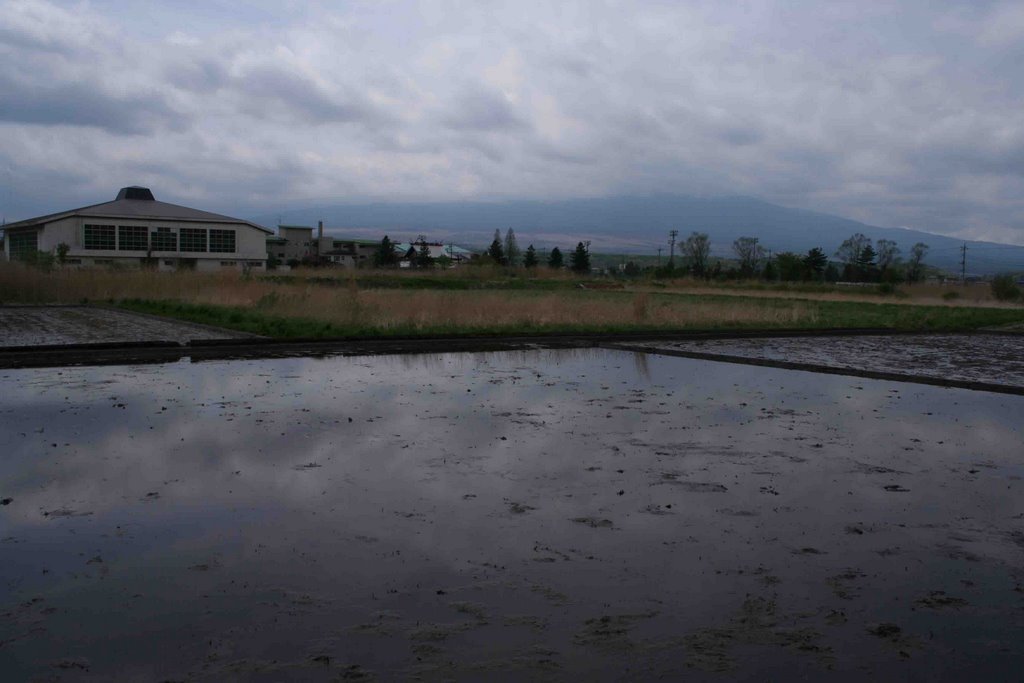
(Paddy Field)

(One of the Eight Springs)
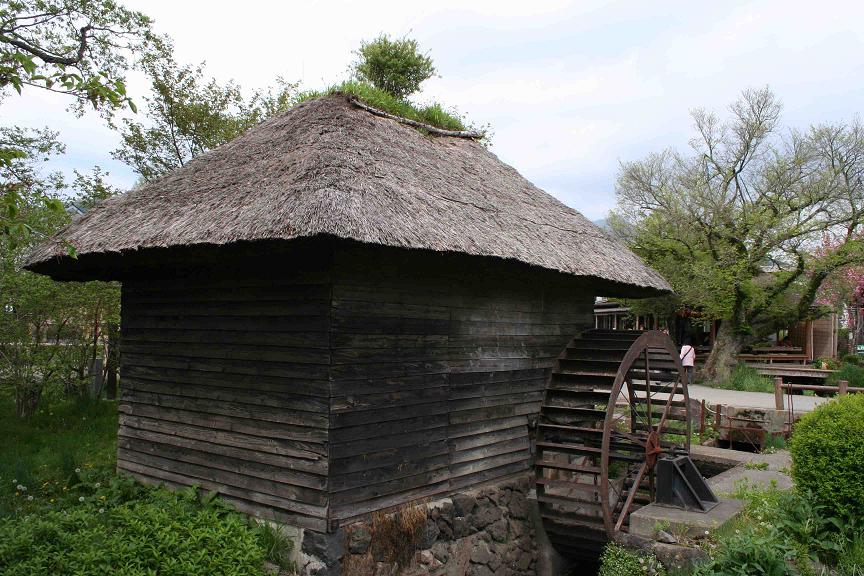
(Water Mill)
Friday, May 12, 2006

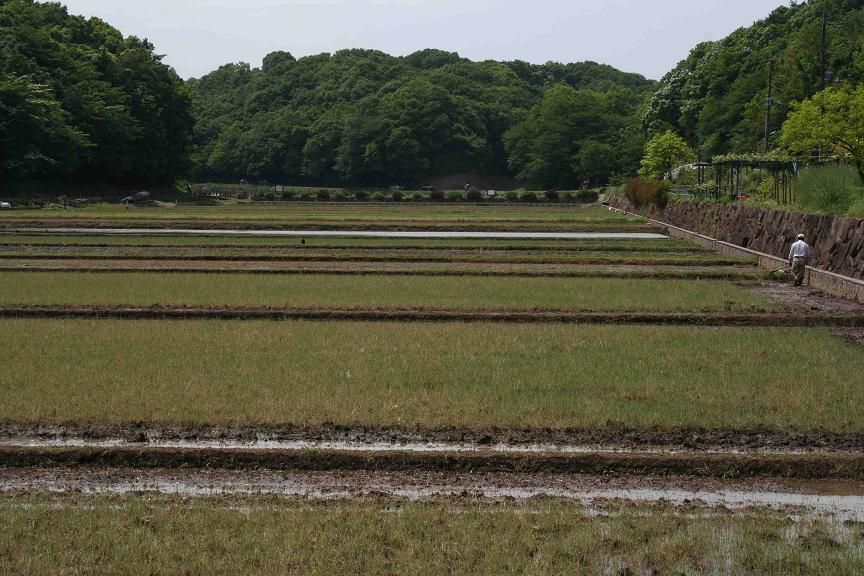
Rice-Planting Season

The Japanese live on rice. Children are brought up not to leave any rice in their bowl. Rice fields are seen throughout Japan. A farmer I happened to meet today said that rice planting used to be carried out in June, but recently it was done during May. It is because they grow rice of early season cultivar, which reduces the risk of the damage due to typhoon. The farmers were preparing for rice planting scheduled on next weekend.
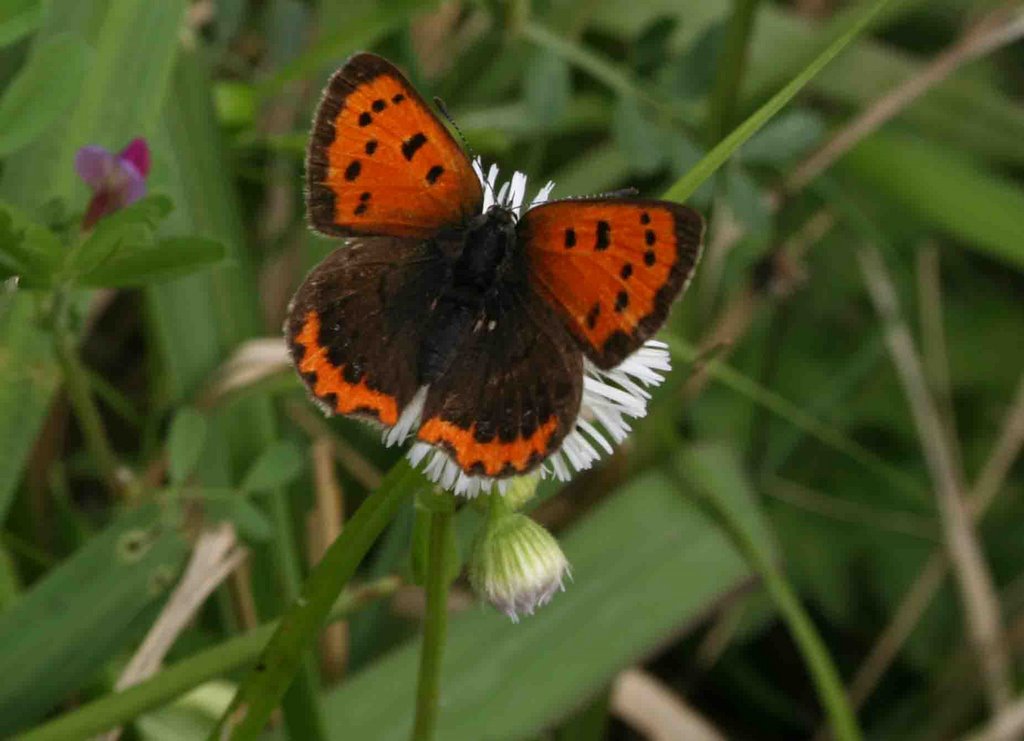
I saw butterflies and a dragonfly.


Friday, May 05, 2006

Children’s Day

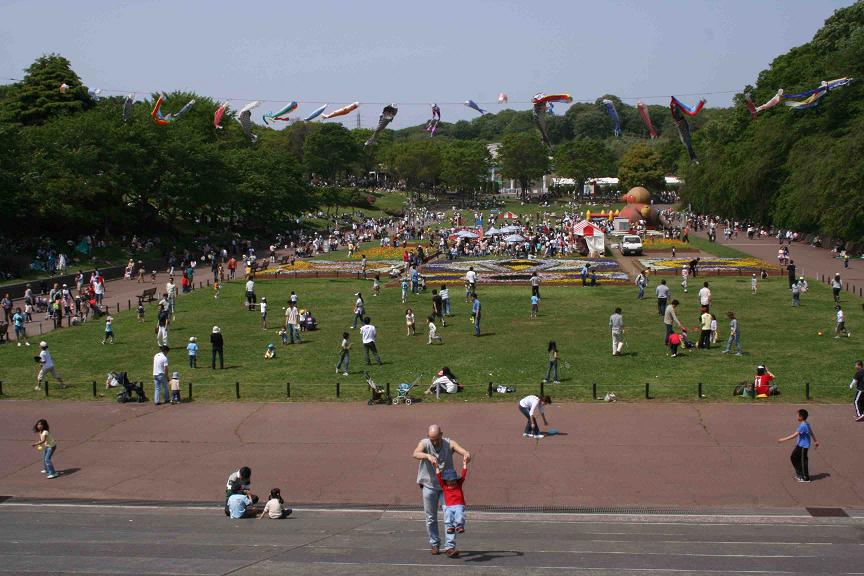
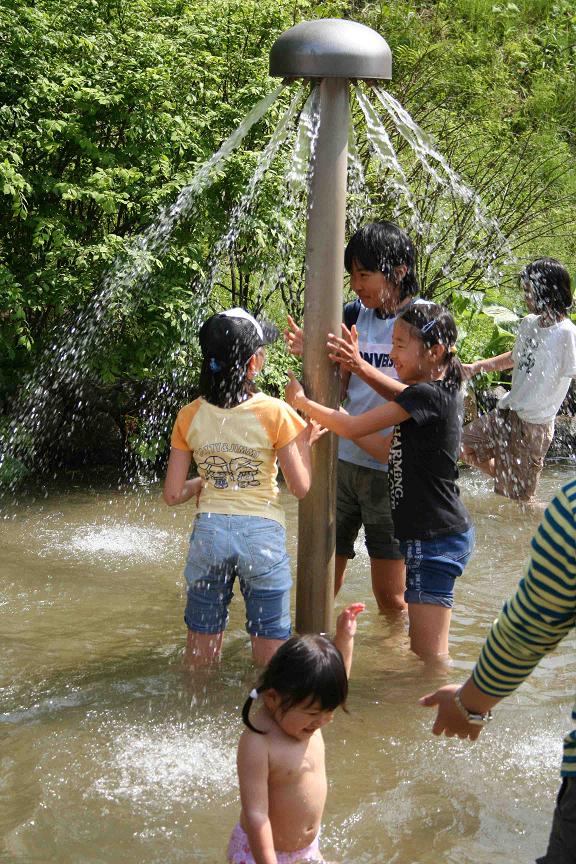
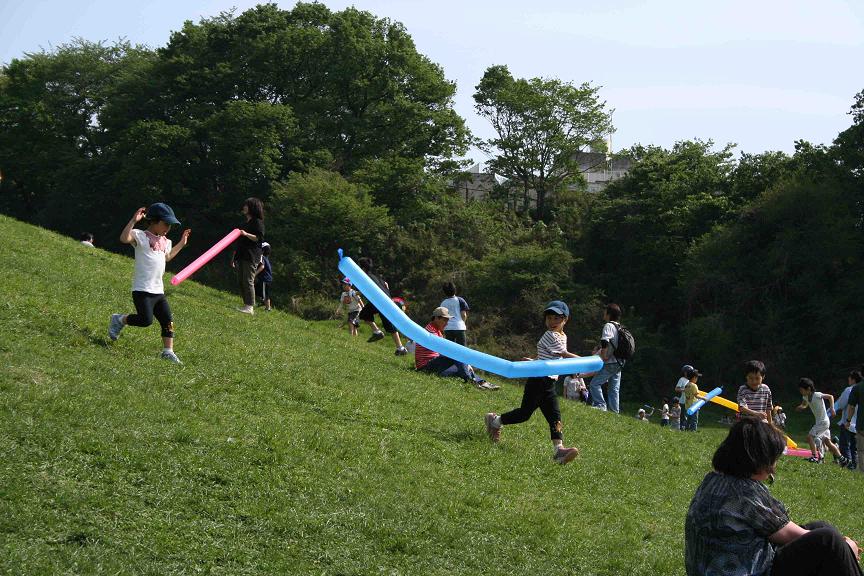
Kodomo-no-kuni (Children’s Land) was very much crowded with families. This natural playland is located in the hills of western Yokohama. Today children were admission-free. There were a lot of smile of children who were innocently at play.

For more information of Children’s Day, access to the following my Web site:
http://www.realjapan.org/life/event/mayevent.html


Wednesday, May 03, 2006

Omotesando

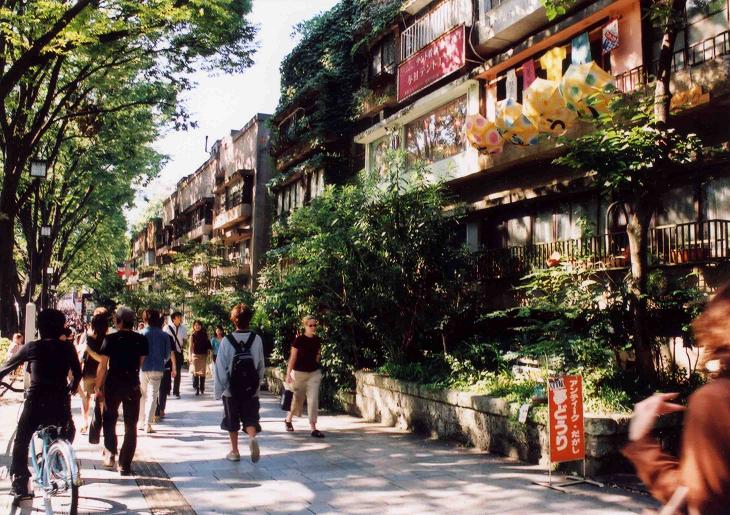
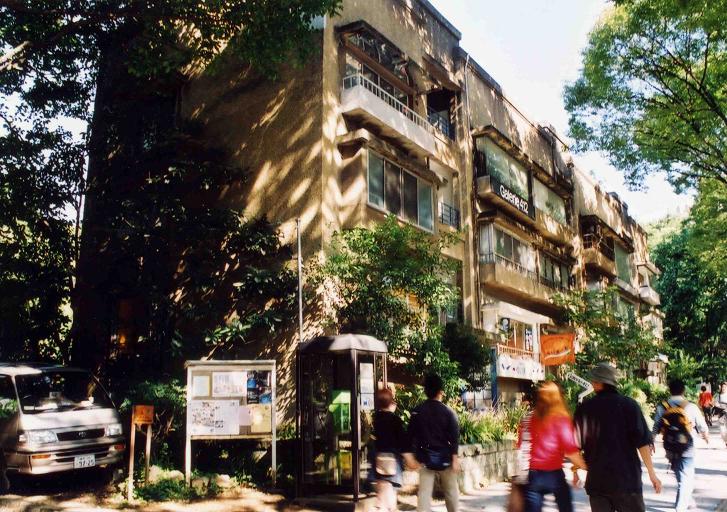
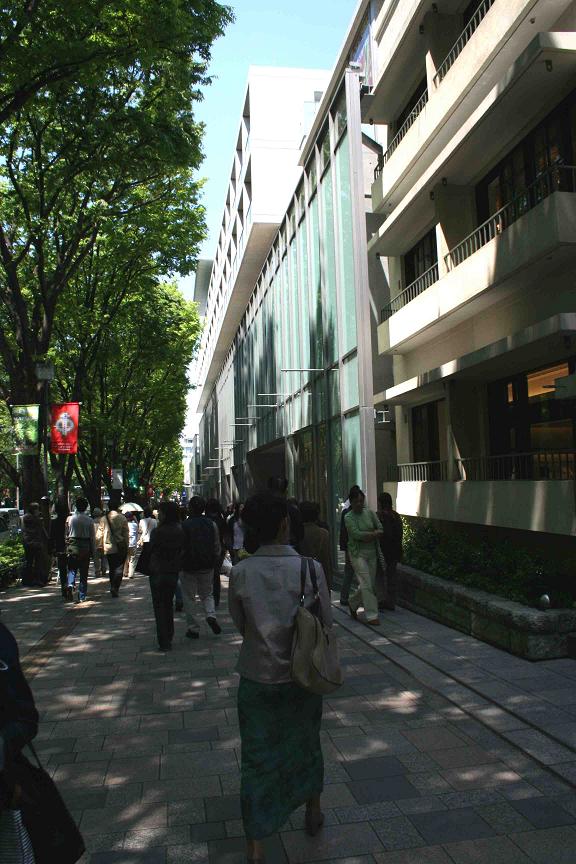
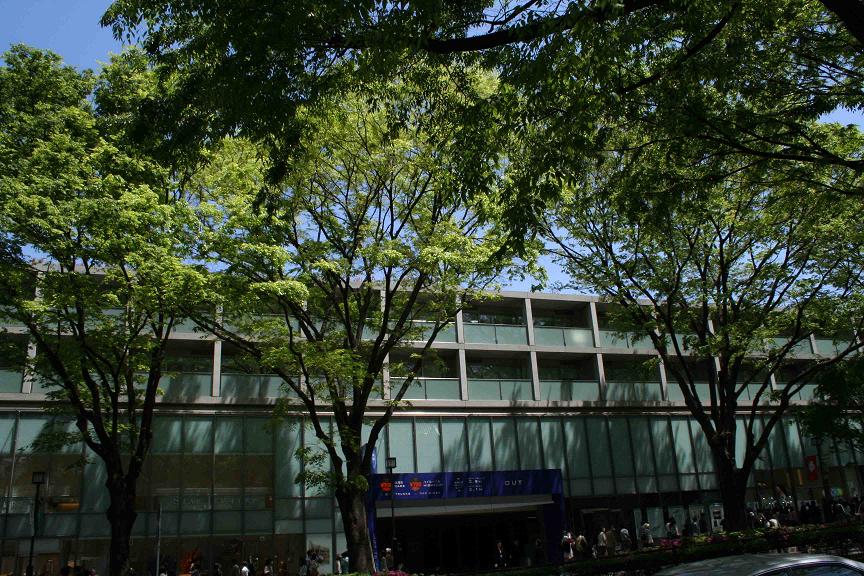
It was a beautiful day. I went to Omotesando at Shibuya, Tokyo to see a photo exhibition. Omotesando is a popular place especially for young people, because it is one of the trendsetting towns in Japan. In February new commercial facilities, “Omotesando Hills,” was opened. This building was built after a decrepit apartment called “Dojunkai” was pulled down. Dojunkai apartment was built after the Great Kanto Earthquake in 1923 and had been a landmark at Omotesando.
Avenue of zelkova trees is the season of new green leaves. I recommend you to enjoy a smart atmosphere of Omotesando but avoid visiting on holidays.

(Dojunkai Apartment)

l
\/


(Omotesando Hills)


Sunday, April 30, 2006

How to Cook Crabs

Yesterday I joined a shooting tour. We went to a harbor and a seashore park in Ibaragi prefecture by bus. Japanese eat a lot of sea food; there are a lot of fishery harbors along the shoreline. A fishery harbor is said to be a good photographic subject.
The fish market near the harbor was lively and crowded with families. When I found a lot of fresh crabs, they reminded me some event. Several years ago we visited Hakodate in Hokkaido and at the early-morning market I bought a live crab as a brisk voice recommended it for me. Our children like crabs. After we returned home, I boiled a crab in a large pan. Our children saw the crab struggling out of the pan and said that it was cruel to a crab. Then I thought I would never boil a crab again.
But yesterday there was a message saying “steam crabs.” I asked which is more delicious, boiling or steaming. He answered steaming is more delicious. Steam them in salty water. It will not be watery. If so, it is unnecessary to see a crab dying. Anyway it is delicious to eat crabs just after boiling or steaming.
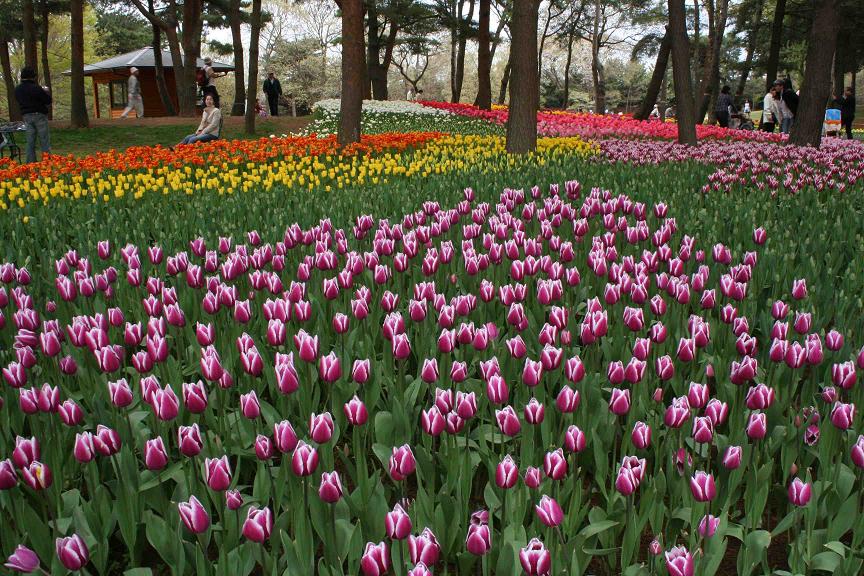
Then, tulips at the seashore park were colorful and in full bloom.


Monday, April 17, 2006

Memory of Kimono

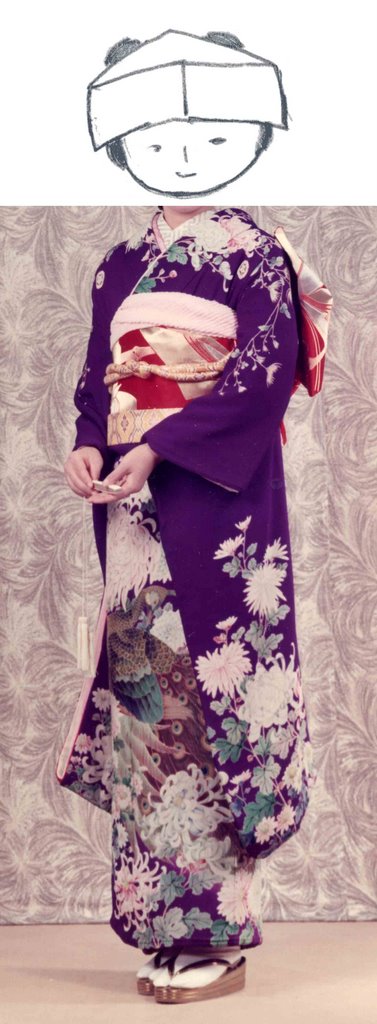
The photo below is a kimoto I wore at my wedding party. My mother also wore it at her wedding and furthermore so did my grandmother. There are a lot of kimonos that have such a story. Expensive kimonos descend to daughters generation by generation.
My mother liked kimono and usually used to wear kimono. When I got married, she prepared several kimonos for me. But I could not have the chance to wear a kimono so frequently, because I have been busy working. It was only in some wedding parties and funerals, and children’s celebratory occasions, etc. that I used kimono. There are a few kimonos that are never worn. I could not wear kimono by myself. I started to learn wearing kimono a couple of months ago, and now I think I can do it by myself, though it takes much time. “By the time you wish to be a good daughter, your parents are long gone.”


Wednesday, April 12, 2006

Business Card

I made my business card by myself for the promotion of my web site. In order to buy the heavy paper I went to the nearest bookstore, but they don’t have such paper. So, I went to a stationery store by bus. Bingo! They have the paper only for business cards, and furthermore many types of paper. I did well if I say so myself. But important thing is what is inside......

Sunday, April 09, 2006

Cherry Forest

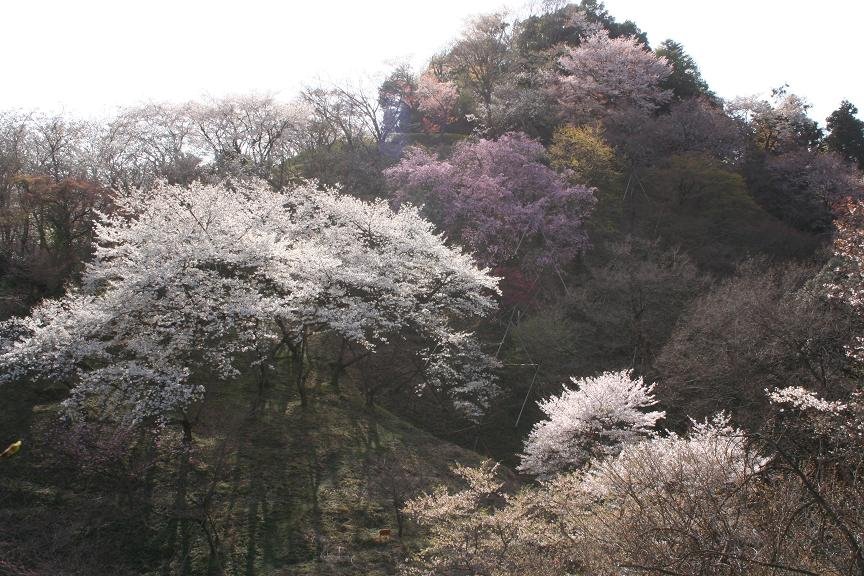
I have wanted to visit here for a long time. Tama Forest Science Garden is a 10-minute walk from Takao Station. They say the forest has about 2,000 cherry trees of around 250 different types. The preservation forest was built to leave the DNA of the cherry trees well known nationwide. We can enjoy cherry blossom viewing from the end of February to the beginning of May. Admission fee is 4oo yen in April, higher than usual 300 yen, but it’s worth the money to view cherry blossoms.

Access the URL below for more photos:
http://www.realjapan.org/

Saturday, April 08, 2006

My Best Shot Last Year

It was windy today. I was at home, planning where to go tomorrow.
The following photo is my best shot among last year’s cherry blossoms:


(Ookagawa River, Yokohama)

Friday, April 07, 2006

Kamakura

Today’s course was too hard, because I knew it’s a little late for its full bloom.
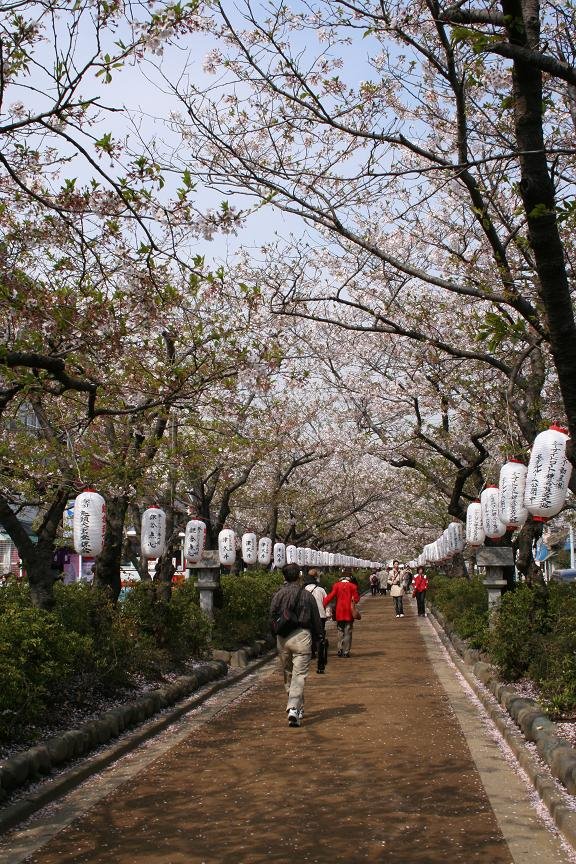
Engakuji Temple ====> Tokeiji Temple ====> Kenchoji Temple ====> Tsurugaoka Hachimangu Shrine
====> Dankazura Avenue ====> Kamakurayama

Cherry blossoms began to fall, but many people including foreign tourists were enjoying cherry viewing. Dankazura Avenue is a path leading to Tsurugaoka Hachimangu Shrine and is like a tunnel of cherry trees. In Kamakura era the Shogunate, Yoritomo Minamoto commanded to build it for wishing his wife, Masako a safe delivery.

Do not trust the magazine or Internet information completely. Some magazines recommended Kamakurayama as a nice cherry viewing spot. It says a tunnel of cherry trees extends about 3 km. I visited there for the first time with great expectations. Expectations are disappointed. Cherry trees were arranged sparsely and some of them seemed to be private trees. We cannot complain because the tree owners leave us to view the trees free of charge.

Access the URL below for more photos:
http://www.realjapan.org/


Thursday, April 06, 2006

Ueno Park

Ueno Park is the most famous cherry blossom viewing spot in Japan, I think. There were a lot of foreign tourists visiting there today. Ueno Park is suitable for the cherry viewing party. As the Internet information of the cherry blossoms provided, those at Ueno Park have begun to fall. But there were many people viewing cherry blossoms. There is a big pond called Shinobazu-no-ike in the park. The pond is famous for lotus flowers in early summer. There are many ducks swimming in the pond. The other day TV news said some ducks were found to be shot by arrow. That is an unforgivable act.

After Ueno Park, I went to Sumida Park. A cherry boulevard lines at both sides along the Sumida River. Some people are viewing cherry blossoms on a barge.

Access the URL below for more photos:
http://www.realjapan.org/


(Ueno Park)

(Sumida River)

Friday, March 31, 2006

Mitsuike Park

Mitsuike Park is located at the northern part of Yokohama. In the Part there are three ponds (mitsu=three and ike=pond), which were used to irrigate rice fields during Edo period. It was warm today. I bought lunch at a basement food floor of a hotel near the station. Today’s lunch was 500 yen, half of the yesterday’s lunch, but it was delicious enough. I was satisfied to have lunch viewing cherry blossoms.


Thursday, March 30, 2006

Hanabie

It was Hanabie today. Hanabie means cold in cherry-blossom time. (Hana means a flower (= cherry blossom) and b(h)ie means cold. Since the climate of this season is not stable, it sometimes gets cold temporarily.
Despite Hanabie, we went out for cherry blossoms. The Ooka River is one of the nice spots for cherry viewing in Yokohama. We bought lunch at a depa-chika (basement food floor of a department store). Boxed lunches at a depa-chika are in big demand. We were going to eat lunch viewing cherry blossoms, but it was too cold to eat there. Sadly we had lunch at a bench at a subway station.

Access the URL below for more cherry photos:
http://realjapan.org/

(The Ooka River)

Wednesday, March 29, 2006

Spending All Day Viewing Cherry Blossoms (2)

Today’s Course is:
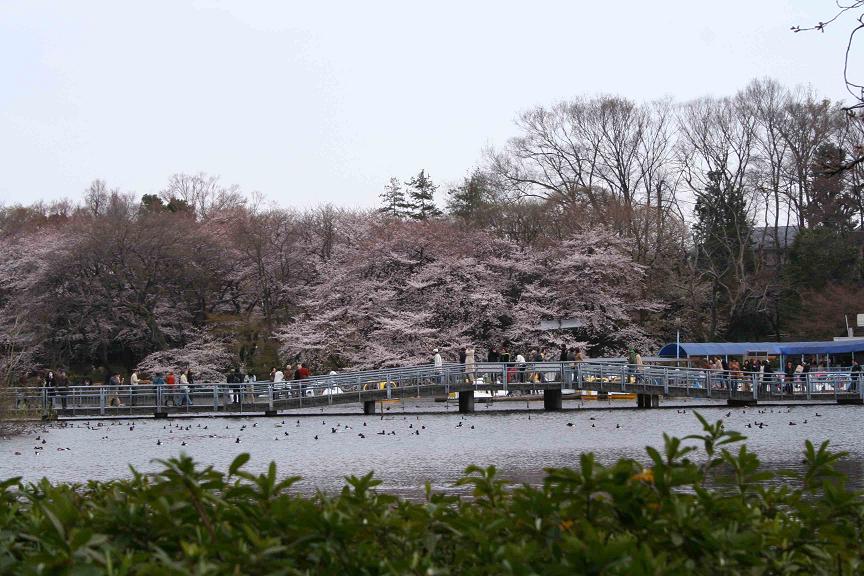
Jindai Botanical Gardens ---> Inokashira Park
Today I have also spent all day viewing cherry blossoms. Inokashira Park is quite an amusing place, where some musicians were playing and singing and some artists were drawing pictures. Of course a lot of people were preparing a night viewing of cherry blossoms. I longingly recalled that I took a boat ride with a boy friend here a long, long time ago.
Access the URL below for more cherry photos:

http://realjapan.org/

(Jindai Botanical Gardens)

(Inokashira Park)

Spending All Day Viewing Cherry Blossoms

Today’s Course is:
Shiba Park ---> Zojoji Temple ---> Yasukuni Shrine ---> Chidorigafuchi Park ---> Kitanomaru Park
I have spent all day viewing cherry blossoms. I was so tired that I have just entered Kitanomaru Park. The following photos show the atmosphere of these places. The photos of cherry blossoms are posted on my Web site. Access the URL below.
http://realjapan.org/photo/Cherry/cherry.html

(Chiba Park)

(Zojoji Temple)

(Yasukuni Shrine)


(Chidorigafuchi Park)

(Kitanomaru Park)

Monday, March 27, 2006

Weeping Cherry Trees at MishimaTaisha Shrine

Weeping cherry trees (shidare-zakura in Japanese) at Mishama Taisha Shrine is famous and is now in full bloom. Mishima Taisha Shrine is located at Mishima city in Shizuoka prefecture.
My friend, Hirochan has sent some photos of Mishima sakura. I guess you would like to see the real one.


Blooming 30%?

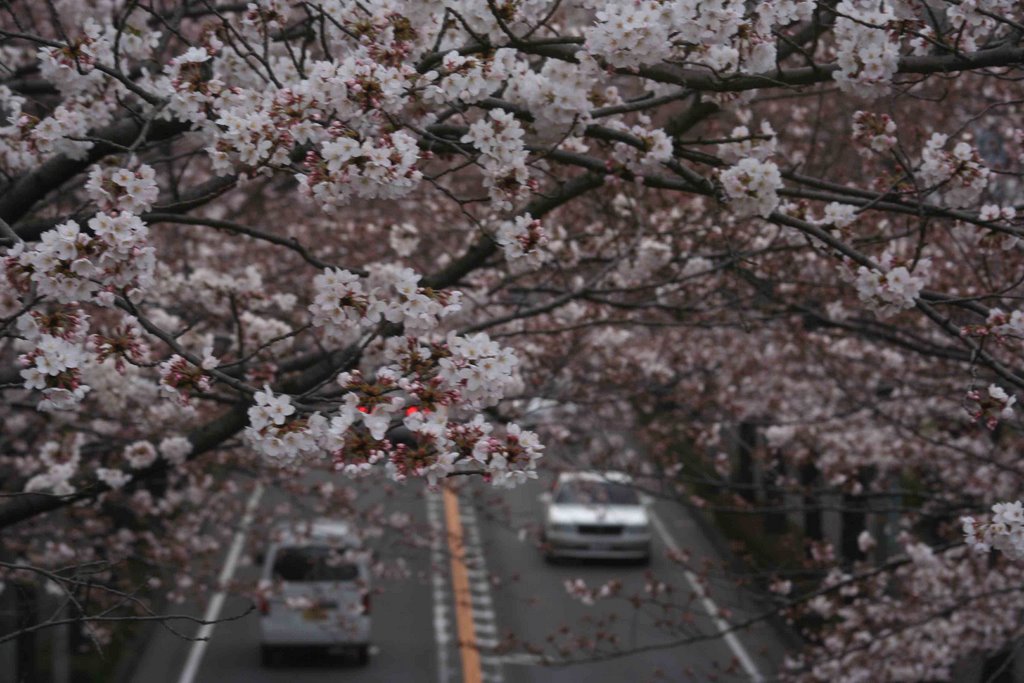
When I take a walk every day, I have an unexpected discovery. Young cherry trees produce flowers earlier than old ones. I think this might be due to DNA. There seems to be the stronger will to leave progeny.

(Tunnel of Cherry Blossom Trees)


(Floral)